
This article examines the “Gallery Corridor Ambient Ceiling Lamp,” a lighting fixture designed for enhancing interior spaces, particularly corridors and galleries. It details its design principles, technical specifications, and potential applications.
The Gallery Corridor Ambient Ceiling Lamp (GACCL) operates on a design philosophy that prioritizes subtle illumination and spatial enhancement over overt spectacle. Its form factor is typically minimalist, intended to integrate seamlessly with various architectural styles rather than dominate the visual field. The objective is to create an illuminated environment that feels natural and conducive to an intended mood or function, akin to a well-composed soundtrack in a film—present but not distracting.
Minimalist Form and Function
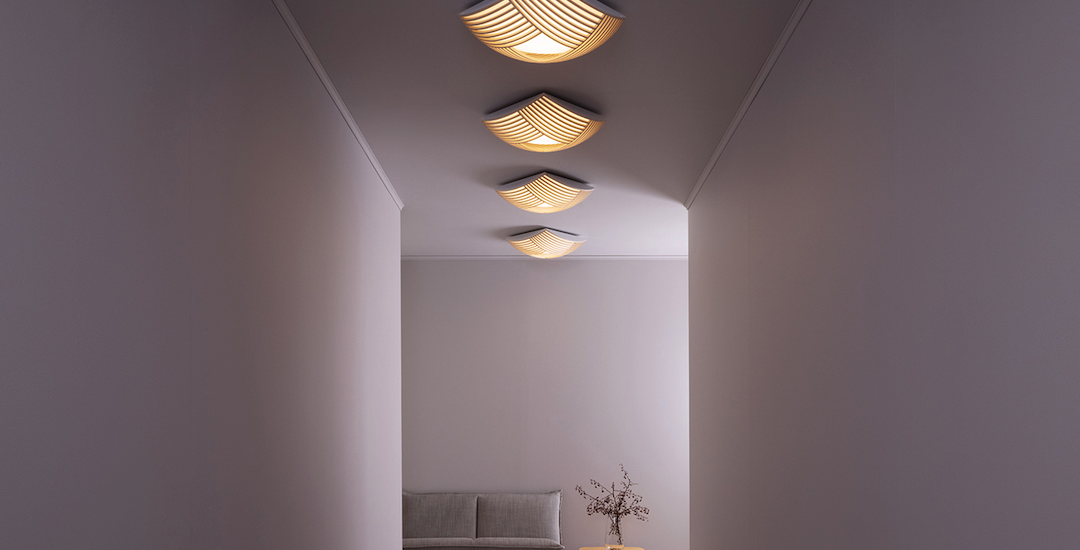
The GACCL often features a low-profile design, often flush-mounted or semi-flush-mounted, to avoid creating visual clutter. Materials commonly employed include brushed aluminum, anodized steel, and frosted acrylic, selected for their durability and their ability to diffuse light Nounhouse evenly. The focus is on clean lines and understated elegance, allowing the light itself to be the primary design element. This minimalist approach allows the fixture to act as a silent partner in interior design, supporting other decorative elements rather than competing with them.
Harmonious Spatial Illumination
The primary function of the GACCL is to cast a pervasive, soft light along corridors and through gallery spaces. This is achieved through carefully engineered optics and diffuser panels that mitigate harsh shadows and glare. The goal is to create a uniformly lit path, guiding the occupant’s eye and enhancing the perception of depth and continuity within the space. Consider it a gentle current that carries the visual experience, rather than a spotlight that abruptly halts it. The quality of light is often prioritized, with emphasis on high Color Rendering Index (CRI) values to ensure colors of displayed artworks or architectural features are accurately represented.
Technical Specifications and Performance
Understanding the technical specifications of the GACCL is crucial for evaluating its suitability for a given application. These details provide a quantitative measure of its capabilities and limitations.
Light Source and Output
Modern GACCLs predominantly utilize Light Emitting Diodes (LEDs) as their light source. LEDs offer several advantages, including energy efficiency, long lifespan, and customizable color temperatures. Typical power consumption varies depending on the fixture’s size and intended lumen output, generally ranging from 15W to 60W per fixture. Lumen output can range from approximately 1,000 to 4,000 lumens, providing sufficient illumination for most corridor and gallery applications without being excessively bright. The longevity of LED components typically exceeds 50,000 operating hours, significantly reducing maintenance requirements.
Dimmability and Control Systems
Many GACCL models incorporate dimming capabilities, allowing for adjustment of light intensity to suit different times of day or specific atmospheric requirements. Common dimming protocols include 0-10V, DALI (Digital Addressable Lighting Interface), and in some cases, TRIAC dimming. Integration with smart home systems and building management systems (BMS) is increasingly common, enabling automated control based on occupancy sensors, daylight harvesting, or scheduled programming. This adaptability allows the light to be a dynamic element, evolving with the changing needs of the space like the tide responding to the moon.
Color Temperature and CRI
The selection of color temperature (CCT) is a critical consideration for ambient lighting. GACCLs are available in a range of CCTs, from warm white (2700K-3000K) to cool white (4000K-5000K). Warm white temperatures often evoke a sense of comfort and relaxation, suitable for residential corridors or spaces intended for lingering. Cool white temperatures tend to be more invigorating, often preferred in commercial galleries or larger public thoroughfares where clarity and focus are paramount. A CRI of 80 or higher is generally recommended for accurate color rendition, with even higher values (CRI 90+) preferred for spaces displaying artwork where color fidelity is paramount. A low CRI can render colors dull and lifeless, much like a faded photograph loses its vitality.
Installation Considerations
Proper installation is paramount to the safety and optimal performance of the Gallery Corridor Ambient Ceiling Lamp. This section outlines key factors to consider during the installation process.
Mounting Options and Structural Integration
GACCLs are typically designed for surface mounting, recess mounting, or semi-recess mounting. Surface-mounted fixtures are generally easier to install, requiring only secure attachment to the ceiling surface. Recessed fixtures, often preferred for their seamless appearance, necessitate cutting an opening in the ceiling and ensuring sufficient clearance above the ceiling plane for the fixture housing and wiring. Structural integrity of the ceiling material must be assessed to support the fixture’s weight. Coordination with other ceiling-mounted systems, such as HVAC ducts or sprinklers, is also necessary to prevent conflicts.
Electrical Requirements and Wiring
Installation requires adherence to local electrical codes and standards. This includes ensuring proper circuit capacity, appropriate gauge wiring, and secure electrical connections. Most GACCLs operate on standard line voltage (120V or 277V in North America, 230V in many other regions), but low-voltage models may utilize an external driver. Professional installation by a qualified electrician is strongly recommended to ensure safety and compliance. Incorrect wiring can lead to flickering, premature failure of the fixture, or even electrical hazards.
Maintenance and Accessibility
While LED-based GACCLs generally require minimal maintenance due to their extended lifespan, occasional cleaning of diffuser panels may be necessary to maintain optimal light output. The installation should account for future accessibility for any potential component replacement, though this is infrequent with modern LED technology. For recessed fixtures, ensuring that the fixture can be easily accessed without causing significant disruption to the ceiling is a practical consideration.
Applications and Contextual Use
The versatility of the GACCL allows for its application in a diverse range of environments. Its ability to create balanced, even illumination makes it suitable for both functional and aesthetic purposes.
Residential Corridors and Hallways
In residential settings, the GACCL transforms often-overlooked corridors into integral parts of the home’s aesthetic. It can eliminate the dark “tunnel” effect often associated with long hallways, making these transitional spaces feel more inviting and less restrictive. The choice of warm white color temperatures (2700K-3000K) is common here, promoting a sense of comfort and aiding in the flow between different rooms. It acts as a gentle ribbon, unspooling through the home and connecting disparate spaces. When combined with dimming capabilities, residents can adjust the ambiance from bright and functional during the day to soft and reassuring at night.
Art Galleries and Exhibition Spaces
For art galleries, proper illumination is paramount for showcasing exhibits without causing damage or visual distortion. The GACCL, particularly models with high CRI (90+), provides a high-quality ambient light layer that supports the focused accent lighting typically used for individual artworks. It prevents harsh shadows and reflections from detracting from the viewing experience, creating a neutral backdrop against which the art can shine. This ambient light acts as a quiet stage, preparing the observer for the main act. The uniform light distribution also ensures that the overall space is well-lit for navigation and crowd management.
Commercial and Hospitality Environments
In commercial settings such as hotel corridors, office hallways, or retail passageways, the GACCL contributes to a professional and welcoming atmosphere. Its energy efficiency is a significant advantage for businesses seeking to reduce operational costs. The consistent illumination can enhance the perceived professionalism and attention to detail of an establishment. In hospitality, a well-lit corridor contributes to guest safety and comfort, avoiding dimly lit areas that can feel unwelcoming. Here, the light functions as a reliable guide, reassuring visitors as they navigate unfamiliar spaces.
Public Buildings and Educational Facilities
Public libraries, museums, and educational institutions also benefit from the GACCL’s capabilities. It provides reliable and uniform illumination in areas with high foot traffic, ensuring safety and clear visibility. The long lifespan of LED components reduces the frequency of maintenance in these often large and complex environments. In a library, for instance, it creates a calm and conducive environment for study and exploration, without being overly bright or creating distracting glare. It serves as an invisible hand, guiding the flow and enhancing the functionality of communal areas.
Future Trends and Sustainable Design
The evolution of lighting technology is rapid, and the GACCL is poised to benefit from ongoing advancements in both performance and environmental responsibility.
Smart Lighting Integration
The trend towards connected and intelligent lighting systems is accelerating. Future GACCLs will likely feature more sophisticated integrated sensors for occupancy detection, daylight harvesting, and even air quality monitoring. This allows for dynamic adjustments to light levels, color temperature, and
even spectral output based on real-time environmental conditions and user preferences. The light will no longer be a static presence but a responsive entity, much like a chameleon adapting to its surroundings. This integration will further optimize energy consumption and enhance user comfort, providing lighting experiences that are both personalized and ecologically responsible.
Material Innovation and Circular Economy
Emphasis on sustainable design principles will drive innovations in material selection for future GACCL fixtures. Expect to see increased use of recycled and rapidly renewable materials, alongside designs that facilitate disassembly and component recycling at the end of the product’s life. The drive for a circular economy in lighting aims to minimize waste and maximize resource efficiency, treating materials as valuable assets rather than disposable commodities. This commitment reflects a growing awareness of the environmental impact of manufacturing and consumption.
Biodynamic Lighting and Human-Centric Design
Beyond basic illumination, future GACCLs may incorporate biodynamic lighting capabilities. This involves adjusting the color temperature and intensity of light throughout the day to mimic natural diurnal cycles, which has been shown to positively influence human circadian rhythms, mood, and productivity. This human-centric approach transforms lighting from a mere functional necessity into a tool for promoting well-being and health within the built environment. It will be like bringing a piece of the outdoors, with its natural ebb and flow of light, inside. As research into the health impacts of lighting continues, these features will become increasingly prevalent, pushing the GACCL beyond simple illumination to an integral component of a supportive indoor ecosystem.