
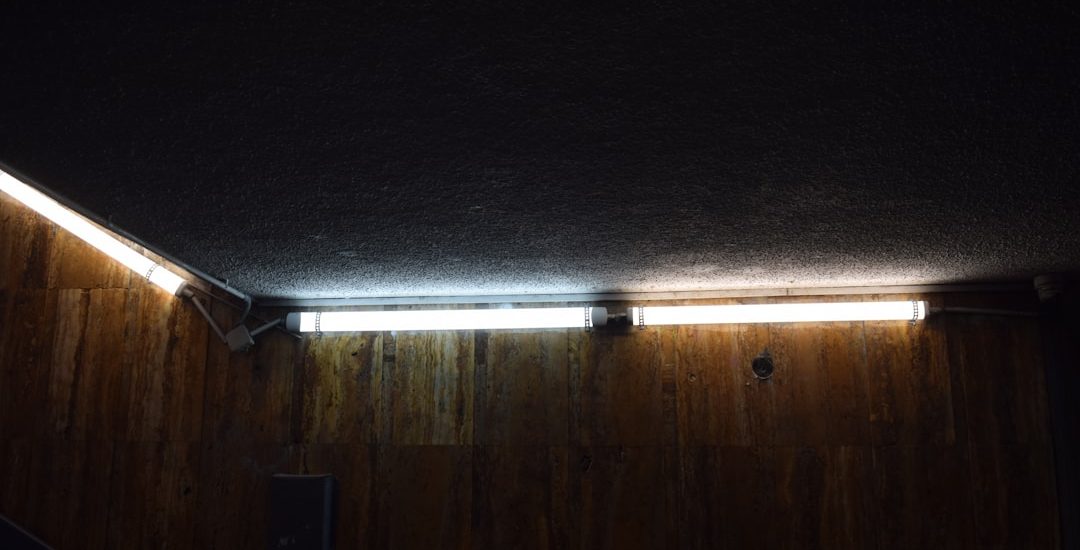
If you’re wondering how to make your living room feel more updated, the ceiling light is a great place to start. A well-chosen modern ceiling light fixture can instantly transform the entire atmosphere of your space, adding style, improving functionality, and making the room feel more contemporary. It’s not just about illumination; it’s about making a design statement that genuinely enhances your home.
When we talk about “modern” ceiling lights, we’re generally referring to fixtures that embrace simplicity, clean lines, and often innovative materials or designs. This isn’t about stark minimalism for its own sake, but rather about thoughtful design that feels current and sophisticated.
The Appeal of Flush Mount and Semi-Flush Mount
For rooms with lower ceilings, or if you prefer a less obtrusive look, flush mount and semi-flush mount fixtures are excellent choices. They sit close to the ceiling, providing ample light without visually cluttering the space.
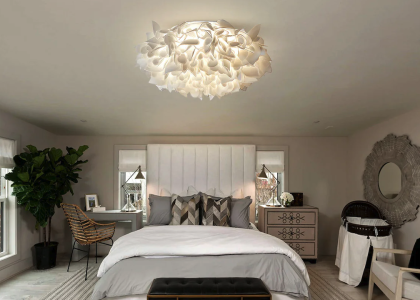
- Flush Mounts: These fixtures attach directly to the ceiling. Modern flush mounts often feature sleek, geometric shapes, sometimes with integrated LED lighting for a seamless look. Think circular, square, or even more abstract forms made from diffusers like acrylic or frosted glass. They’re practical for general ambient lighting.
- Semi-Flush Mounts: These fixtures hang a few inches from the ceiling, creating a bit more visual interest and allowing light to spread both downwards and upwards, which can make a room feel taller. Modern semi-flush designs often incorporate metal accents, layered diffusers, or even small decorative elements without becoming overly ornate.
The Statement of Pendants and Chandeliers
If your living room has higher ceilings or you’re looking to create a focal point, pendants and chandeliers can be incredibly effective. Modern versions of these classic fixtures have evolved significantly.
- Modern Pendants: Unlike traditional pendants often hung over kitchen islands, modern living room pendants can be single, oversized fixtures or a cluster of smaller ones. They come in an incredible variety of shapes – spheres, cylinders, abstract geometric forms – and materials like brushed metals, glass, or even concrete-like finishes. They’re fantastic for task lighting over a reading nook or defining a conversation area.
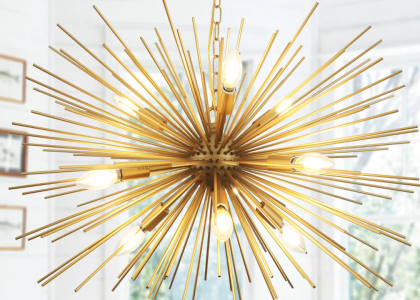
- Contemporary Chandeliers: Forget those crystal-laden dust collectors. Modern chandeliers are often sculptural works of art. They might feature multiple arms with integrated LED lights, industrial-inspired designs, or abstract arrangements of light sources. They provide significant ambient lighting and are designed to draw the eye, making a strong design statement. Materials often include matte black metals, brass, chrome, and frosted glass.
Track and Rail Lighting for Flexibility
For those who need directional light or want the ability to frequently reconfigure their lighting, modern track and rail systems offer significant versatility.
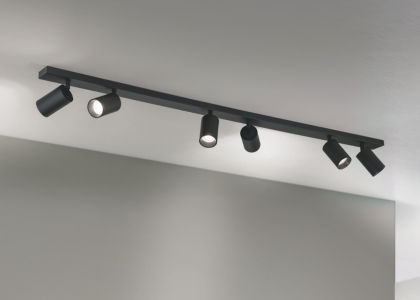
- Sleek Track Systems: Modern track lighting uses slender tracks, often in black or white finishes, mounted to the ceiling. Small, adjustable heads containing LED bulbs can be positioned anywhere along the track and angled to highlight artwork, architectural features, or specific areas of the living room. This is particularly useful in open-plan spaces where functions might shift.
- Rail Lighting Options: Rail lighting is similar but often features more decorative or flexible rails that can curve or zigzag. This gives a softer, less industrial look than some track systems while maintaining directional adjustability. It’s a good choice for highlighting a gallery wall or providing targeted illumination in a less structured way.
Practical Considerations Beyond Style
Choosing a modern ceiling light isn’t just about aesthetics; it also involves practical aspects that will impact your living experience. Ignoring these can lead to frustration down the line.
Understanding Lumens and Light Output
The brightness of a light fixture is measured in lumens, not watts (especially with LEDs). It’s crucial to understand how many lumens you need for your living room.
- General Ambient Lighting: For an average living room, you’ll generally want between 1,500 and 3,000 lumens from your main ceiling fixture, depending on room size and ceiling height. This provides a comfortable general illumination.
- Layered Lighting Approach: Remember, your main ceiling light is often one part of a layered lighting scheme. You’ll likely supplement it with table lamps, floor lamps, and perhaps accent lighting for a well-lit and versatile room. The ceiling fixture provides the base level of light.
Color Temperature (Kelvin) for Ambiance
The color temperature of light, measured in Kelvin (K), significantly impacts the mood of your living room. Modern fixtures often specify their color temperature.
- Warm White (2700K-3000K): This is a soft, inviting light, similar to traditional incandescent bulbs. It’s often preferred for living rooms as it creates a cozy and relaxed atmosphere. Most modern living room ceiling lights will offer this range.
- Neutral White (3500K-4000K): This is a balanced, clean light that’s good for task-oriented areas where you need more clarity, but it can feel a bit stark in a living room if it’s the only light source. Some minimalist modern designs might lean into this for a clean, gallery-like feel.
- Cool White (4000K+): Generally, cool white is less desirable for a living room, as it can feel sterile and uninviting. Stick to warmer tones for comfort.
Dimmer Compatibility for Flexibility
A dimmer switch is one of the most underrated features for any living room lighting. It offers incredible versatility and allows you to adjust the light according to the situation.
- Creating Atmosphere: From bright light for cleaning or entertaining to a subtle glow for movie night, a dimmer lets you dial in the perfect ambiance.
- Energy Efficiency: Dimming your lights also saves energy and extends the life of your bulbs. Most modern LED fixtures are dimmable, but always double-check the product specifications and ensure you have a compatible LED dimmer switch.
Materials and Finishes: Modern Textures
The materials and finishes of a modern ceiling light play a huge role in its overall aesthetic and how it integrates with your existing décor.
Metals: Sleek and Industrial Touches
Modern lighting heavily features various metals, often with refined finishes.
- Matte Black: This is a very popular contemporary finish, offering a sophisticated and graphic contrast, especially against lighter ceilings or walls. It works well with industrial, minimalist, and even some bohemian modern styles.
- Brushed Brass/Gold: Moving away from shiny, traditional gold, modern brushed brass or matte gold finishes offer warmth and a touch of luxury without being ostentatious. They pair beautifully with rich textiles and natural wood tones.
- Chrome/Polished Nickel: These classic modern finishes provide a clean, reflective look. They work well in spaces with a more sleek, sometimes tech-inspired, or slightly art deco modern feel.
- Bronze: Not to be confused with traditional oil-rubbed bronze, modern bronze finishes often have a lighter, more satin or matte appearance, providing earthy warmth.
Glass and Diffusers: Light Control and Aesthetics
The type of material that diffuses the light also impacts the overall look and light quality.
- Frosted Glass or Acrylic: These materials soften and diffuse light evenly, reducing glare and creating a comfortable ambient glow. They are common in flush mounts and many pendant designs.
- Clear Glass: Often used in geometric or open-cage modern designs, clear glass showcases the light bulb itself (often a decorative LED filament bulb). It offers a more direct, sometimes brighter light.
- Opal Glass: Similar to frosted, but with a milky white appearance when off, opal glass provides a very even, soft diffusion of light when illuminated.
Wood and Other Natural Elements: Organic Modernism
While modern design often embraces manufactured materials, there’s also a strong trend towards integrating natural elements for warmth and texture.
- Light Woods: Fixtures incorporating light woods like birch or maple add a touch of Scandinavian modern warmth. These might be used as accents on metal fixtures or form the primary structure of a pendant.
- Ceramic or Concrete Finishes: For a more raw, industrial, or earthy modern aesthetic, some fixtures feature ceramic or concrete-like (often resin-based) materials. These add texture and an unexpected material contrast.
Installation and Safety Tips
When dealing with electrical fixtures, safety should always be your top priority. While many modern fixtures are designed for relatively straightforward installation, it’s not a job to rush.
Assessing Your Ceiling and Wiring
Before you even buy a fixture, take a moment to assess your existing setup.
- Junction Box: Most ceiling lights attach to an existing electrical junction box. Make sure it’s securely mounted and in good condition. If you don’t have one, or if you’re moving a fixture, this will require more extensive electrical work.
- Weight Capacity: Modern chandeliers and some larger pendants can be heavy. Ensure your existing junction box (or new mounting bracket) can safely support the weight of the fixture. If in doubt, particularly for very heavy pieces, consult an electrician.
- Wiring Condition: If you have an older home, inspect the wiring carefully. Frayed wires or outdated insulation might indicate a need for an electrical upgrade before installing a new fixture.
DIY vs. Professional Installation
Deciding whether to install the light yourself or hire a professional depends on your comfort level and the complexity of the job.
- DIY for Simple Swaps: If you’re simply replacing an existing fixture of similar size and weight in a working junction box, and you’re comfortable with basic electrical safety (turning off power, wire nuts), it can be a DIY project. Always follow the manufacturer’s instructions carefully.
- Hire an Electrician For:
- No existing junction box.
- Moving a light fixture.
- Installing a new dimmer switch (especially if you’re unsure about wiring).
- Heavy fixtures that require special mounting.
- Any time you feel uncertain or uncomfortable with electrical work. Safety is paramount.
Tools and Preparation
If you do decide on a DIY installation, having the right tools makes a difference.
- Basic Toolkit: You’ll need a screwdriver set, an adjustable wrench, wire strippers, electrical tape, and a voltage tester (to confirm power is off).
- Ladder: A stable ladder is essential. Don’t use unstable chairs or makeshift platforms.
- Gloves and Safety Glasses: Protect your hands and eyes.
- Helper: For larger or heavier fixtures, having an extra set of hands to hold the fixture while you connect wires can be invaluable.
Maintaining Your Modern Ceiling Light
Modern light fixtures often feature materials that are relatively easy to maintain, but a little regular attention keeps them looking good.
Cleaning Techniques for Various Finishes
Different materials require different cleaning approaches to avoid damage.
- Metals (Matte Black, Brass, Chrome): Use a soft, lint-free cloth, slightly dampened with water. For stubborn spots, a very mild dish soap solution can be used, but always dry thoroughly immediately to prevent water spots or tarnishing. Avoid abrasive cleaners or harsh chemicals, which can strip finishes.
- Glass and Acrylic Diffusers: These can be wiped with a microfiber cloth and a gentle glass cleaner. For acrylic, ensure the cleaner is safe for plastics to avoid clouding or cracking. For frosted or etched glass, a gentle brush might be needed to get into textured areas.
- Wood Accents: Dust with a soft, dry cloth. Avoid excessive moisture.
Bulb Replacement and Longevity
The type of bulbs used in your modern fixture impacts both its light quality and your maintenance schedule.
- LED Integration: Many modern fixtures come with integrated LED modules, meaning the LED lights are built directly into the fixture and are not designed for user replacement. These are typically very long-lasting (20,000 to 50,000 hours), so replacement is infrequent. If an integrated LED module fails, the entire fixture might need to be replaced or professionally repaired.
- Replaceable LED Bulbs: If your fixture uses standard sockets (Edison screw bases, GU10, etc.), ensure you replace bulbs with the correct wattage equivalent (for older incandescent fixtures) or lumen output, and especially the correct color temperature to maintain the desired look.
- Regular Dusting: Dust accumulation on bulbs and diffusers can significantly reduce light output. A quick wipe down every few months helps maintain brightness.
By carefully considering both the aesthetic and practical elements, you can select a modern living room ceiling light that not only illuminates your space but also significantly elevates its style and functionality, making your living room a more enjoyable and modern place to be.