
You’re looking to add a touch of timeless elegance to your home with a Chinese style pendant light, and that’s a fantastic idea! Choosing the right one can really transform a space, making it feel warm, inviting, and steeped in cultural charm. The “perfect” light isn’t a one-size-fits-all, though. It’s about finding a fixture that harmonizes with your existing decor, suits the practical needs of the room, and genuinely appeals to your personal taste. We’ll walk through the practical considerations, from understanding different styles to sizing and materials, so you can confidently pick a pendant that lights up your home beautifully.
Understanding Chinese Pendant Light Styles
Chinese pendant lights aren’t just one look; they encompass a rich tapestry of historical periods, regional influences, and design philosophies. Getting a handle on these variations will help you narrow down your options and find something that truly resonates with your home’s aesthetic.
Traditional Imperial & Palace Styles
When you think of very traditional Chinese aesthetics, often what comes to mind are the imperial or palace styles. These are typically grander, more ornate, and often feature intricate carvings, vibrant colors (especially reds and golds), and symbolic motifs like dragons, phoenixes, or lotus flowers. The materials are usually high-quality, such as carved wood, lacquered finishes, and sometimes intricate silk or paper panels.
If your home has a more formal, classic, or even an antique-inspired decor, these pendants can be absolutely stunning. They act as a central focal point, exuding an air of luxury and historical depth. Think about homes with dark wood furniture, rich textiles, or a more curated, stately feel. They might be less suitable for very minimalist or ultra-modern spaces, as their intricate nature could feel out of place.
Ming & Qing Dynasty Influences
Moving into the Ming and Qing dynasties, you see a continuation of craftsmanship but with slightly varied emphasis. Ming designs often prioritize clean lines, elegant proportions, and a sense of understated sophistication. While still detailed, they might be less overtly ornate than earlier imperial styles, focusing more on the inherent beauty of the materials and precise joinery. Qing dynasty pieces can sometimes reintroduce more elaborate detailing and a broader range of decorative elements, reflecting the expansive cultural exchanges of the period.
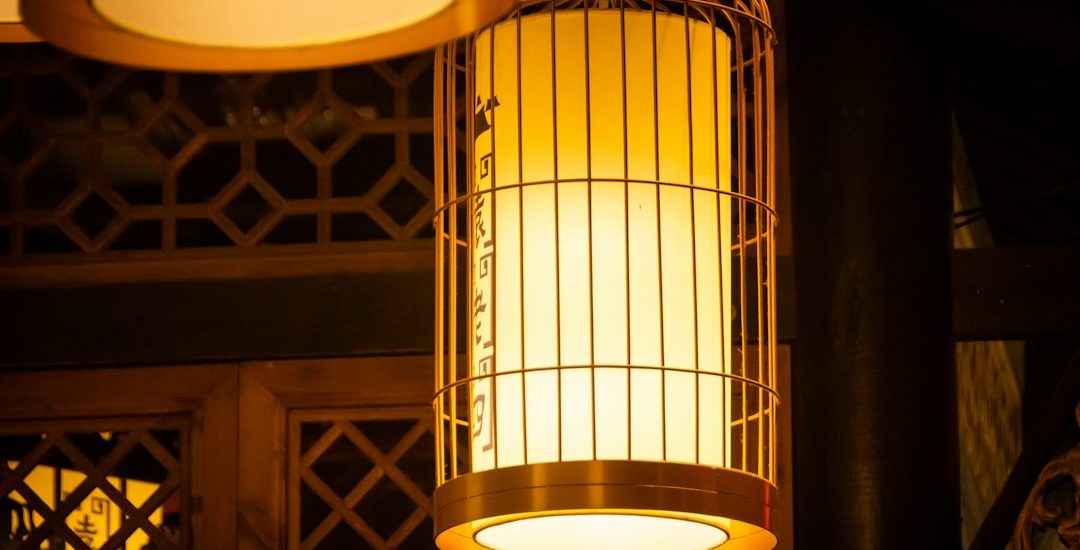
Pendants influenced by these eras often feature geometric patterns, delicate latticework, and sometimes incorporate calligraphy or scenic paintings on translucent panels. Woods like rosewood or elm are common. These styles offer a good bridge for homes that appreciate traditional craftsmanship but perhaps aren’t aiming for a full-on palace aesthetic. They can work well in transitional spaces, adding a layer of cultural depth without overwhelming the decor.
Zen & Wabi-Sabi Inspired Designs
On the other end of the spectrum, you have styles that lean into the principles of Zen Buddhism and Wabi-Sabi, which originated more broadly in East Asian aesthetics but have strong roots in Chinese philosophical traditions. These designs prioritize simplicity, natural materials, tranquility, and often an appreciation for imperfection.
You’ll see a lot of natural wood, bamboo, rice paper, and sometimes ceramic or unglazed porcelain in these pendants. The shapes are often organic, minimalist, and focus on soft, diffused light. Colors are typically muted – natural wood tones, whites, creams, and subtle grays. These pendants are perfect for creating a calm, serene atmosphere. If your home has a minimalist, Scandinavian, or a very natural and earthy decor, these styles will fit right in. They bring a sense of peace and understated elegance, allowing the natural beauty of the materials to shine.
Modern Interpretations & Fusion Styles
Contemporary designers often take traditional Chinese elements and reimagine them for modern living. This “fusion” or “modern Chinese” style can be incredibly versatile. It might take a classic lantern shape and render it in sleek metal and glass, or use traditional motifs in a more abstract or streamlined way.
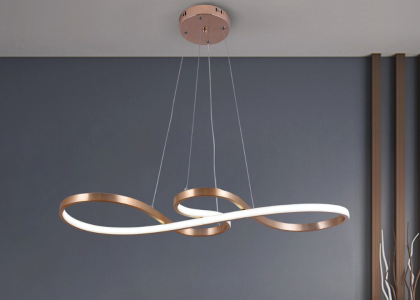
Materials can range from polished chrome and brushed brass to acrylics and innovative composites, often combined with more traditional elements like silk or wood. These pendants are fantastic for homes that want to nod to Chinese culture without fully committing to a purely traditional look. They can seamlessly blend into contemporary, industrial chic, or even eclectic spaces, adding a unique focal point that feels both rooted in history and thoroughly modern. This is where you have a lot of flexibility to find something truly unique that speaks to your personal style while still having that distinct Chinese aesthetic.
Sizing Your Pendant Light for the Space
Getting the size right is crucial. An overly large pendant can overpower a room, making it feel cramped, while a too-small fixture will look lost and fail to provide adequate lighting or visual impact. It’s all about proportion and purpose.
General Sizing Rules for Common Areas
For most general areas like living rooms, dining rooms, or large entryways, a good starting point is to consider the dimensions of the room itself. A common guideline is to add the length and width of the room in feet, and that sum roughly equates to the ideal diameter (or width for non-circular fixtures) of your pendant in inches.
So, if your room is 10 feet by 12 feet, adding those together gives you 22. A pendant with a diameter of around 22 inches would be a good starting point. This isn’t a hard and fast rule, but it provides a useful baseline. You can go slightly larger for a bolder statement or a bit smaller if you’re using multiple pendants or have a very minimalist aesthetic.
Pendant Over a Dining Table
When hanging a pendant over a dining table, the fixture should ideally be about one-half to two-thirds the width or length of the table. This ensures the light is centered and proportionate to the eating surface without overwhelming it or looking too small. You don’t want the pendant to extend beyond the table’s edges, as this can feel awkward and even be a bumping hazard.
The height is also very important here. A good rule of thumb is to hang the bottom of the pendant approximately 30-36 inches above the tabletop. This allows for ample light on the dining surface without obstructing views or dazzling diners. If you have very high ceilings, you might go slightly higher, but always test the height by sitting at the table to ensure comfort and functionality.
Pendants in Entryways and Hallways
For entryways, the size depends heavily on the scale of the space. In a grand, two-story foyer, a much larger, more dramatic pendant can make a stunning statement. The bottom of the fixture should be at least 7 feet from the floor to allow for comfortable passage underneath, but this can go higher in very tall spaces.
In smaller entryways or hallways, the pendant should be more modest. Again, ensure at least 7 feet of clearance from the floor. For hallways, you might consider multiple smaller pendants spaced evenly to provide consistent lighting along the length, rather than one large fixture that could dominate or create dark spots. The diameter rule mentioned earlier (length + width in feet = diameter in inches) can still be a helpful guide for a general entryway pendant.
Multiple Pendants for Larger Spaces
Sometimes, one large pendant just isn’t enough, or you prefer a more distributed lighting scheme. In larger rooms or over very long dining tables, using a cluster of smaller pendants or a series of identical pendants can be incredibly effective.
When using multiple pendants, ensure they are spaced appropriately to provide even lighting and visual balance. Over a long table, you might hang two or three smaller pendants in a row, ensuring the combined visual weight and light output are appropriate for the table’s size. When clustering, consider varying heights for a more dynamic and artistic arrangement, especially in open-concept spaces or stairwells. Always measure your space and even mock up the size with a balloon or cardboard cutout to get a visual sense before committing.
Material and Finish Choices
The materials and finishes of your Chinese style pendant light play a huge role in its overall look, the quality of light it emits, and how well it integrates with your existing decor. Each material has its own characteristics and aesthetic implications.
Wood (Carved, Natural, Lacquered)
Wood is a quintessential material in Chinese design, offering warmth, texture, and a connection to nature.
- Carved wood: Often seen in more traditional and ornate pendants, carved wood showcases intricate patterns, symbolic motifs, or detailed latticework. It adds a sense of craftsmanship and historical depth. These pieces can be quite detailed and are excellent for creating a focal point. Finishes can range from natural stains that highlight the wood grain to rich, dark lacquers.
- Natural wood: For a more minimalist, Zen, or Wabi-Sabi aesthetic, natural, unadorned wood is perfect. It brings an organic, earthy feel and often pairs well with other natural materials like rice paper or linen. The beauty lies in the wood’s grain and simple, elegant forms. Light-colored woods like bamboo or light maple create a brighter, airier feel, while darker woods like walnut or elm add more grounding warmth.
- Lacquered wood: Lacquer, especially in deep reds, blacks, or even gold, adds a high-gloss, luxurious finish. This technique has been used for centuries in Chinese artistry and gives pendants a striking, refined appearance. Lacquered pieces tend to be more formal and visually impactful, making a strong statement.
Metal (Brass, Bronze, Iron, Chrome)
Metals can provide structure, elegance, or an industrial edge, depending on the type and finish.
- Brass and Bronze: These metals are often used in more traditional or transitional Chinese style pendants. They offer a warm, antique look, especially when aged or given a patinated finish. They can be incorporated as structural elements, decorative accents, or even entire frames, often complementing darker woods or rich textiles. Polished brass offers a brighter, more opulent feel, while brushed or antique bronze leans towards a more subdued, historical aesthetic.
- Iron: Wrought iron can be used to create robust, sometimes rustic, or elegantly structured pendants. It offers durability and can be shaped into intricate designs or simpler, more geometric forms. Black iron often lends itself to a slightly more industrial or rustic-chic look, even within a Chinese design context, particularly when paired with frosted glass or simple paper shades.
- Chrome/Nickel: These modern metals are typically found in contemporary or fusion Chinese designs. Their sleek, reflective surfaces offer a clean, sophisticated, and often minimalist look. They pair well with glass, acrylic, and lighter color palettes, bringing a sense of modernity to traditional shapes or motifs.
Fabric and Paper (Silk, Rice Paper, Linen)
These materials are fundamental to the soft, diffused light quality often associated with Chinese lanterns and pendants.
- Silk: Luxurious and refined, silk shades produce a warm, rich glow. They can be smooth or textured, and often come in vibrant colors or subtle patterns. Silk is perfect for creating an elegant, sophisticated ambiance, often found in more upscale or traditional designs.
- Rice paper: This is perhaps the most iconic material for traditional Chinese lanterns and pendants. It provides a beautiful, soft, and diffused light that is incredibly calming and atmospheric. Rice paper pendants often feature simple, elegant forms and are perfect for Zen, minimalist, or natural decor styles. They are generally more delicate and require careful handling.
- Linen/Cotton: More contemporary Chinese designs might use linen or cotton fabrics for shades. These offer a slightly more textured, organic feel than silk, but still provide soft, diffused light. They are often chosen for modern, transitional, or casually elegant interiors that appreciate natural fibers.
Glass and Ceramic
Glass and ceramic add different qualities of light and aesthetic appeal.
- Glass: Can be clear, frosted, colored, or etched. Clear glass allows for bright, unobstructed light, often used in modern designs to showcase the bulb or intricate internal structures. Frosted or etched glass diffuses light, reducing glare and creating a softer glow, suitable for both traditional and contemporary styles. Colored glass can add a vibrant artistic element.
- Ceramic/Porcelain: Used in some traditional and many modern Chinese pendant designs. Porcelain, especially, can be crafted into delicate forms, often showcasing intricate patterns or paintings. Ceramic provides an opaque or translucent quality depending on its thickness and finish. It lends itself well to minimalist designs, providing a solid, earthy presence, or can be highly decorative with hand-painted details. It diffuses light beautifully and adds a refined, artisanal touch.
When choosing, consider how the material interacts with light (diffused vs. direct), its durability, and how its texture and color complement the existing furniture, walls, and other decorative elements in your room.
Light Source and Functionality
Beyond aesthetics, the practical aspects of a pendant light – how it illuminates and how it functions – are incredibly important. The right light source can enhance mood, task visibility, and energy efficiency.
Types of Light Bulbs (LED, Incandescent, CFL)
The type of bulb you choose has significant implications for energy consumption, light quality, and longevity.
- LED (Light Emitting Diode): LEDs are by far the most popular and recommended choice today. They are incredibly energy-efficient, consuming significantly less power than incandescent or CFL bulbs, which translates to lower electricity bills. They also have an exceptionally long lifespan, often lasting tens of thousands of hours, meaning less frequent bulb changes. LEDs offer a wide range of color temperatures (from warm white to cool daylight) and dimmable options, giving you great control over your lighting ambiance. While the upfront cost might be slightly higher, the long-term savings and convenience make them an excellent investment.
- Incandescent: These are the traditional bulbs that emit a warm, familiar glow. However, they are very inefficient, converting most of their energy into heat rather than light, and have a relatively short lifespan. While some people still prefer their specific warm light quality, they are being phased out in many regions due to energy regulations. If your fixture is designed for them, ensure you understand the energy implications.
- CFL (Compact Fluorescent Lamp): CFLs are more energy-efficient than incandescents and last longer, but they don’t quite match the efficiency or lifespan of LEDs. They can also take a moment to reach full brightness and often don’t dim as smoothly as LEDs. Some people also dislike the specific quality of light they produce, though this has improved with newer generations. They contain mercury, so proper disposal is necessary.
For most Chinese style pendants, especially those with fabric or paper shades, LEDs are ideal as they produce minimal heat, preventing potential damage or discoloration to delicate materials.
Color Temperature (Warm White vs. Cool White)
Color temperature, measured in Kelvin (K), significantly impacts the mood of a room.
- Warm White (2700K-3000K): This emits a soft, yellowish light, similar to traditional incandescent bulbs or candlelight. It creates a cozy, inviting, and relaxing atmosphere. For most residential settings, especially living rooms, bedrooms, and dining areas where you want to foster comfort and warmth, warm white is the preferred choice. It enhances natural wood tones and rich colors often found in Chinese decor.
- Neutral White (3500K-4500K): This is a balanced white light, neither too yellow nor too blue. It’s good for task lighting in kitchens or home offices where clarity is needed, but it might feel a bit too stark for a purely relaxing atmosphere in a living space.
- Cool White/Daylight (5000K-6500K): This light has a bluer, crisper tone, mimicking natural daylight. It’s often used in commercial settings, bathrooms, or utility rooms where high visibility and alertness are desired. It can feel harsh in a living area and might clash with the warm aesthetic of many Chinese style pendants.
When choosing a Chinese style pendant, especially one designed to evoke tranquility or traditional warmth, opting for warm white LEDs is almost always the best choice.
Dimmability and Control Options
The ability to dim your pendant light can dramatically enhance its versatility and impact on a room’s ambiance.
- Dimmability: A dimmable pendant light allows you to adjust the brightness to suit different activities and moods. Full brightness for tasks, a softer glow for dinner parties, or a very low light for evening relaxation. If you can, always opt for a dimmable fixture and pair it with a compatible LED bulb and dimmer switch. This provides maximum flexibility and control over your lighting environment.
- Smart Home Integration: Many modern pendants and LED bulbs are compatible with smart home systems (like Google Home, Amazon Alexa, Apple HomeKit). This allows you to control your lights via voice commands, smartphone apps, or set schedules. This level of control adds convenience and can further enhance the functionality and ambiance of your space, allowing you to fine-tune your lighting with ease.
- Switches: Consider the type of switch you’ll use. A standard on/off toggle switch is fine, but for dimmable lights, you’ll need a compatible dimmer switch. For multi-pendant setups, you might want to control individual pendants or groups of pendants separately, which would require multiple switches or smart home zoning.
Think about how you’ll primarily use the room and what level of lighting control would best suit your lifestyle. A beautifully designed pendant is only truly perfect if it also provides the right kind of light for your daily needs.
Installation Considerations
Even the most beautiful Chinese pendant light won’t serve its purpose well if it’s not installed correctly and safely. There are several practical considerations to keep in mind, from electrical requirements to actual mounting.
Electrical Requirements
Before you even purchase a pendant, it’s wise to understand the electrical situation in your chosen location.
- Existing Junction Box: Most pendant lights are designed to be wired into an existing electrical junction box in the ceiling. This box provides a secure point for mounting and connects to your home’s wiring. If there isn’t an existing box where you want to hang the light, you’ll need to have one installed by a qualified electrician, which adds to the cost and complexity.
- Circuit Load: Ensure the existing electrical circuit can handle the wattage of your new light fixture, although with energy-efficient LEDs, this is rarely an issue for a single pendant. However, if you’re installing multiple pendants or an exceptionally large fixture, it’s worth a quick check.
- Grounding: All permanent light fixtures should be properly grounded for safety. If your existing wiring or junction box isn’t grounded, it’s crucial to address this with an electrician.
- Professional Installation: Unless you are very experienced with electrical work, it’s always recommended to hire a certified electrician for installation. This ensures safety, proper wiring, and compliance with local building codes. Tampering with electrical wiring incorrectly can be dangerous.
Ceiling Height and Mount Type
The height of your ceiling dictates not only the size of the pendant but also the type of mounting hardware needed.
- Standard Ceiling (8-9 feet): For standard ceiling heights, most pendants are designed to hang perfectly. You’ll typically have an adjustable cord or rod that allows you to set the desired height. Remember the 7-foot clearance rule for walking paths and 30-36 inches above a dining table.
- High/Vaulted Ceilings: If you have very high or vaulted ceilings, you’ll need a pendant with a long adjustable cord, an extension rod, or a chain. Some fixtures come with extra-long options, or you might need to purchase additional components. For vaulted ceilings, look for pendants with a swivel canopy (the part that attaches to the ceiling) that can accommodate the angle, ensuring the fixture hangs straight down. Without this, the pendant might hang crooked.
- Recessed Mounting: Some modern or minimalist Chinese style pendants are designed for recessed mounting, where part of the fixture is hidden within the ceiling, leaving only the decorative element exposed. This is a more involved installation and typically requires specific ceiling preparations.
Always measure your ceiling height accurately from the floor to the junction box to ensure the pendant’s hanging length is suitable.
Weight of the Fixture
Pendant lights vary significantly in weight, especially those made from solid wood, metal, or multiple glass components.
- Support Structure: A standard electrical junction box is typically rated to hold fixtures up to a certain weight (often around 50 lbs or 22 kg). For heavier pendants, you might need to install additional structural support in the ceiling, such as a blocking board or a specialized brace, before mounting the fixture.
- Ceiling Material: Consider the material of your ceiling. Drywall is common, but older homes might have plaster. Ensure the mounting hardware is appropriate for the ceiling material and can adequately support the weight.
- Safety First: If you’re unsure about the weight capacity of your ceiling or junction box, consult an electrician or a structural engineer. An improperly mounted heavy pendant is a serious safety hazard. Always have assistance when lifting and installing heavy fixtures.
By carefully considering these installation aspects, you can ensure your chosen Chinese style pendant light is not only aesthetically pleasing but also safely and securely integrated into your home.