
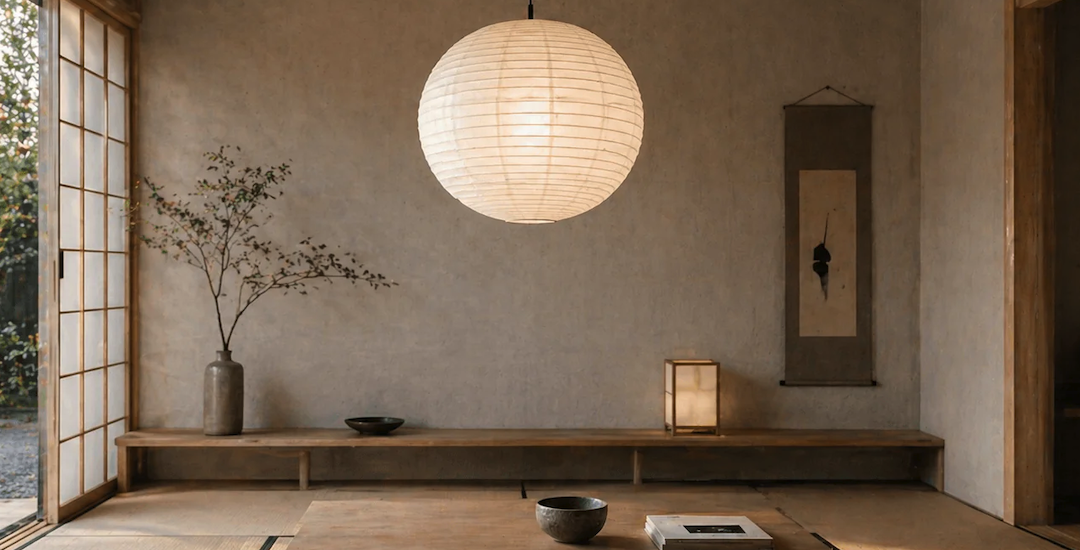
Thinking about adding a touch of peaceful elegance to your home? A Zen-inspired cast iron Japanese tearoom lantern pendant might be just what you’re looking for. These aren’t just light fixtures; they’re pieces of art steeped in history and designed to bring a sense of tranquility and balance to any space. Imagine the soft, diffused glow creating a calming ambiance – that’s the essence of what these lanterns offer.
You might be wondering, “What exactly makes something ‘Zen-inspired’?” It’s more than just a marketing buzzword. In the context of these lanterns, “Zen-inspired” refers to a design philosophy that prioritizes simplicity, natural materials, and a quiet aesthetic over ostentation. It’s about creating an atmosphere conducive to contemplation and peace.
Simplicity in Design
Zen principles often emphasize minimalism. This translates to clean lines, uncluttered forms, and a focus on essential elements. For these lanterns, you won’t find excessive ornamentation. Instead, the beauty lies in the elegant structure and the interplay of light Posnano and shadow it creates. It’s about finding beauty in what is fundamental and necessary.
Natural Materials
Cast iron is a key component here, a material celebrated for its durability and its ability to age beautifully, developing a unique patina over time. Coupled with often accompanying elements like rice paper or frosted glass, these lanterns feel grounded and authentic, connecting your space to nature. This emphasis on natural, unrefined materials is a cornerstone of Zen aesthetics, where the inherent beauty of the material is allowed to shine through without excessive manipulation.
Creating a Serene Atmosphere
The primary goal of a Zen-inspired object is to foster a sense of calmness. These lanterns achieve this through their soft, diffused light, which avoids harsh glare and creates a warm, inviting glow. This type of lighting is essential in traditional Japanese tearooms, where the atmosphere is carefully curated to encourage quiet reflection and mindfulness. It’s about creating a refuge from the busy outside world.
The History and Heritage: Japanese Tearoom Lanterns
To truly appreciate these pendants, it helps to understand their origins. Japanese tearoom lanterns, known as toro (lanterns) or andon (standing lanterns) when not hanging, have a rich history intertwined with Japanese architecture, gardens, and, of course, the tea ceremony.
Evolving from Temples to Teahouses
The earliest toro were often found in Buddhist temples, where they served a practical purpose of illuminating pathways and sacred spaces. Over time, their design evolved, becoming more refined and symbolic. As the tea ceremony (chanoyu) gained prominence, these lanterns were adapted for use in tearooms, known as chashitsu. Here, their role shifted to create a specific, intimate ambiance. The soft light was crucial for enhancing the contemplative nature of the tea ceremony, where every detail, from the utensils to the lighting, contributes to the overall experience.
The Influence of the Tea Ceremony
The tea ceremony is a ritualistic art form centered on the preparation and presentation of matcha. It emphasizes harmony, respect, purity, and tranquility (wa, kei, sei, jaku). Every element within the chashitsu is carefully chosen to embody these principles, and the lighting is no exception. A hanging lantern in a tearoom isn’t just about illumination; it’s about casting shadows that define space, highlighting textures, and encouraging a meditative state. The light is often subtle, designed to prevent stark contrasts and instead offer a gentle glow that invites introspection.
Symbolic Meaning
Beyond their practical and aesthetic functions, these lanterns often carry symbolic weight. The light represents enlightenment or the spirit within. Their placement and design can also reflect concepts like balance, strength, and continuity. While a modern replica might not hold the same deep ritualistic significance as an antique temple lantern, the essence of these traditional meanings subtly imbues the design, adding a layer of depth to the piece.
Design Elements and Features to Look For
When you’re considering a Zen-inspired cast iron Japanese tearoom lantern pendant, understanding the various design elements will help you choose one that truly suits your aesthetic and functional needs.
The Beauty of Cast Iron
Cast iron is the star material here. It’s incredibly durable and heavy, which lends a sense of solidity and permanence to the fixture. Its dark, often textured surface provides a wonderful contrast to the light it emits.
Durability and Longevity
One of the greatest advantages of cast iron is its robustness. These lanterns are built to last, often becoming cherished heirlooms. Unlike lighter materials, they resist dents and damage, making them a practical choice for a long-term investment. The weight also contributes to a sturdy hanging.
Patina and Aging
Over time, cast iron develops a beautiful patina. This natural oxidative process creates a rich, nuanced surface that adds character and depth. This aging process is embraced in Zen aesthetics, where the passage of time and the natural world are celebrated. It tells a story and grounds the object in its environment.
Various Finishes
While often seen in a natural, dark finish, cast iron can also be treated with various coatings. You might find lanterns with a subtle bronze tone, a deeper matte black, or even carefully rusted finishes that evoke weathered permanence. These finishes are usually designed not to detract from the iron’s inherent texture but to enhance it.
Light Diffusion: The Heart of the Ambiance
The way the light is diffused is critical for creating that signature Zen atmosphere. It’s rarely a direct, harsh light.
Rice Paper (Washi) Accents
Traditionally, washi paper is used for light diffusion. Its delicate, translucent nature softens the light beautifully, scattering it evenly and creating a warm, ethereal glow. When illuminated, the paper often reveals subtle textures, adding another layer of visual interest. It’s a key element in achieving the soft, inviting ambiance.
Frosted or Textured Glass
For more contemporary or exterior applications, frosted or textured glass panels are often used. These offer a similar diffusing effect to paper but with added durability and weather resistance. The etching or texture on the glass can also create interesting patterns when light filters through, mimicking natural light patterns.
Openwork and Grille Designs
Many lanterns feature intricate openwork patterns or simple grille designs within the cast iron frame. These aren’t just decorative; they play an active role in shaping the light. The shadows cast by these patterns add depth and visual interest to the surrounding space, creating an interplay of light and shadow that is characteristic of traditional Japanese aesthetics.
Shapes and Silhouettes
The forms of these pendants are typically understated but thoughtfully conceived.
Geometric Forms
Many designs lean towards simple geometric shapes – squares, rectangles, and sometimes hexagonal or octagonal forms. These clean lines reinforce the minimalist and balanced aesthetic of Zen. The purity of these shapes contributes to a sense of order and tranquility.
Organic Influences
While often geometric, some designs subtly incorporate organic influences, perhaps in the curve of a supporting arm or the subtle swelling of the main body, echoing natural forms without being overtly figurative. This is a nod to connecting with nature that’s often found in Zen philosophy.
Hanging Mechanisms
The chains or suspension rods are also part of the design. They are usually simple, sturdy, and proportional to the lantern itself, maintaining the overall sense of balance and weight. Sometimes, a decorative link or a simple S-hook is incorporated to add a subtle aesthetic touch.
Integrating Them into Your Home: Placement and Pairing
These lanterns aren’t just for tearooms anymore! They can enhance a wide variety of contemporary and traditional spaces. Careful placement and an understanding of how they interact with other elements are key to maximizing their impact.
Ideal Locations
Think about where you want to create a pocket of calm or a focused point of light.
Entryways and Foyers
A single, well-placed lantern in an entryway can set a welcoming and peaceful tone for your entire home. It’s the first impression, signaling a transition from the outside world to a serene interior. The diffused light can gently illuminate the space without blinding visitors.
Dining Areas
Above a dining table, these pendants can create an intimate and atmospheric setting for meals. The soft light encourages conversation and appreciation for the food, rather than harsh overhead glare. It transforms a functional space into one that feels intentional and inviting.
Bedrooms and Reading Nooks
In a bedroom, a Zen-inspired pendant can complement a minimalist aesthetic, providing a gentle light source that’s perfect for winding down. In a reading nook, it offers focused illumination while maintaining a relaxed ambiance, making it a perfect companion for quiet solitude.
Covered Outdoor Spaces
If designed for outdoor use (check specifications!), they can be stunning additions to covered patios, pergolas, or verandas, extending the peaceful aesthetic to your outdoor living areas. Imagine the soft glow illuminating a tranquil evening garden.
Complementary Decor Styles
These lanterns are surprisingly versatile and can blend seamlessly with several interior design styles.
Minimalist and Modern Interiors
The clean lines and understated elegance of these lanterns make them a natural fit for minimalist and modern aesthetics. They add warmth and texture without introducing clutter, aligning perfectly with “less is more” philosophies. They provide a focal point that is both functional and artistic.
Japanese and Asian-Inspired Themes
Naturally, they shine in spaces with explicit Japanese or Asian design themes, reinforcing an authentic and cohesive look. Paired with elements like shoji screens, bamboo, or low furniture, they complete the picture.
Rustic and Industrial Spaces
The raw, robust nature of cast iron means these lanterns can also beautifully complement rustic or even industrial decor. They introduce a touch of refined craftsmanship into more rugged settings, creating an interesting contrast of textures and styles. The darkness of the cast iron can tie in with other metallic elements.
Eclectic Mixes
Don’t be afraid to mix and match! In an eclectic space, a Zen-inspired lantern can serve as a grounding element, introducing a sense of calm and classic design amidst diverse decor. Its timeless appeal allows it to bridge different design periods and styles gracefully.
Maintenance and Care for Lasting Beauty
Taking care of your cast iron lantern is straightforward, and with a little attention, it will retain its beauty for decades.
Cleaning the Cast Iron
Cast iron is incredibly durable, but it does benefit from occasional cleaning to keep it looking its best.
Dusting and Wiping
For routine cleaning, a soft, dry cloth is usually sufficient to remove dust. For more stubborn grime, a slightly damp cloth can be used. Avoid abrasive cleaners or harsh chemicals, which can damage the finish or accelerate corrosion.
Addressing Rust (If it Appears)
While cast iron is robust, prolonged exposure to moisture without proper treatment can lead to surface rust. If rust spots appear, they can often be gently removed with a fine steel wool pad or a specialized rust remover, followed by applying a protective wax or oil designed for cast iron. This ensures that the natural patina remains beautiful and controlled.
Caring for Diffusing Materials
The delicate diffusing materials require a bit more gentle handling.
Rice Paper Longevity
If your lantern uses washi paper, keep it away from areas of high humidity or direct splashes of water, which can damage the paper. Dust it gently with a soft brush or a very light feather duster. If the paper tears or discolors over time, it’s often possible to replace the panels with new washi paper, preserving the lantern’s aesthetic.
Glass Panel Cleaning
Frosted or textured glass panels can be cleaned with standard glass cleaner and a soft cloth. Ensure no liquid seeps into the electrical components. For textured glass, a soft brush might be needed to get into the crevices.
Electrical Component Safety
Like any electrical fixture, proper handling and installation are crucial.
Professional Installation
It’s always recommended to have a qualified electrician install ceiling-mounted fixtures to ensure safety and compliance with local building codes. This prevents potential electrical issues and ensures the lantern is securely attached.
Bulb Selection
Use the recommended bulb wattage and type to avoid overheating or improper illumination. LED bulbs are an excellent choice for their energy efficiency and long lifespan, and many are available in warmer color temperatures that mimic the soft glow intended for these lanterns. Avoid harsh, bright bulbs that counteract the lantern’s purpose.
A Zen-inspired cast iron Japanese tearoom lantern pendant isn’t just a lighting fixture; it’s an investment in tranquility and authentic design. By understanding its heritage, appreciating its craftsmanship, and caring for it properly, you can bring a piece of peaceful elegance into your home that will be appreciated for years to come.