
So, you’re thinking about travertine ceiling lights for your living room. That’s a pretty interesting idea, and one that can add a real touch of sophistication and warmth to your space. It’s not just about throwing some lights up; it’s about how you can use this natural stone to create a unique and inviting atmosphere.
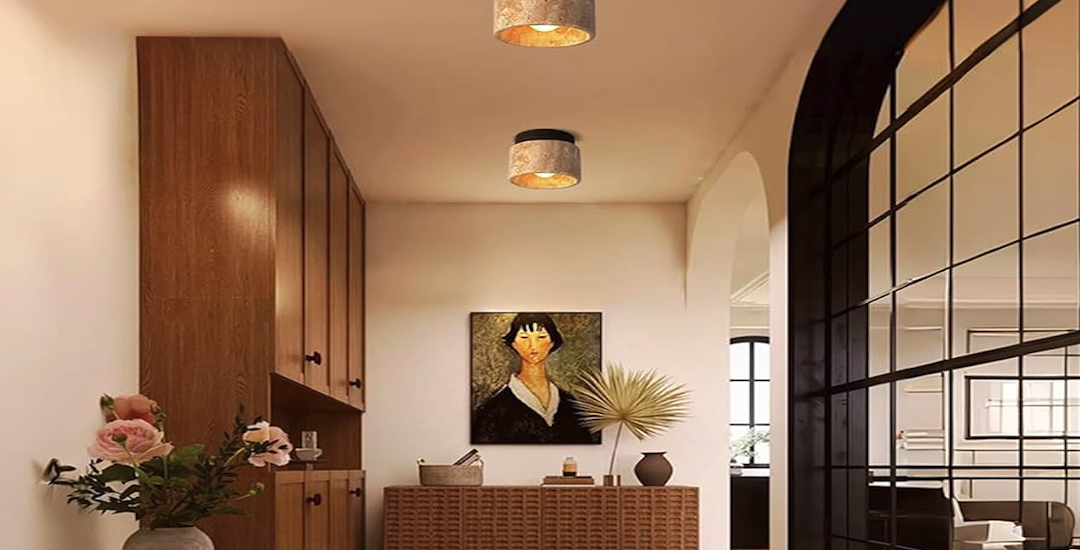
Let’s get straight to it: yes, travertine ceiling lights Nolowa can absolutely illuminate your living room, and in a way that’s quite distinct from typical lighting options. They’re not just light fixtures; they’re decorative pieces that bring the natural beauty of stone into your overhead space, casting a warm, diffused glow that can transform the feel of your room.
The Allure of Travertine: Why Consider It for Ceilings?
Travertine, a natural stone formed over millennia by mineral deposits from hot springs, has a rich history and a distinctive character. It’s known for its earthy tones, often with swirls and pores that give each piece a unique look. Traditionally used in flooring, countertops, and wall cladding, bringing it to the ceiling is a more contemporary application, but one that offers some serious advantages.
Unique Aesthetic Qualities
When we talk about travertine, we’re talking about a material with inherent beauty. The subtle variations in color – from creamy beige to warm tan and even some reds and grays – mean no two pieces are exactly alike. For a ceiling application, this translates to a textured, organic look that can break up what might otherwise be a bland expanse of drywall. The little pores and viens within the stone can catch light in interesting ways, creating natural patterns and depth. It’s not a uniform, manufactured look; it’s a connection to the earth that can make your living room feel more grounded and authentic.
The Feel and Atmosphere Travertine Creates
Beyond just looking good, travertine has a way of influencing the overall feel of a room. Because it’s a natural material, it tends to impart a sense of warmth and coziness. This is especially true for ceiling lights where the stone itself is illuminated. The light filtering through or reflecting off the travertine can create a softer, more diffused ambiance than, say, a shiny metal fixture. This gentle illumination is perfect for creating a relaxing living room environment, ideal for unwinding, entertaining, or enjoying your favorite activities. It’s about creating an atmosphere that feels lived-in and welcoming, rather than stark or overly modern.
Design Possibilities: How Travertine Ceiling Lights Can Be Shaped
When you’re looking at travertine for your ceiling, it’s not a one-size-fits-all situation. Architects and designers have found creative ways to incorporate this stone into overhead lighting. The form the travertine takes is a key part of its appeal.
Travertine as Diffuser Panels
One common and effective approach is to use carved or thin-cut travertine panels as diffusers. Imagine a recessed lighting system where the light source is behind a sheet of travertine. As the light passes through the stone, it softens, eliminating harsh glare and creating a gentle, even glow across the ceiling. These panels can be designed in various shapes and sizes, whether it’s a large rectangular panel to cover a significant portion of the ceiling or smaller, more decorative insets. The natural texture of the travertine becomes part of the light’s diffusion, adding an organic element to the illumination. It’s a way to literally bring a piece of the natural world into your lighting scheme.
Sculptural Travertine Fixtures
Beyond simple panels, travertine can be sculpted into more elaborate lighting fixtures. Think of it as natural stone lamps for your ceiling. This could involve carved bowls, layered designs, or even more abstract forms that house the light sources. These fixtures can become focal points in the room, acting as both functional lighting and art pieces. The way the light interacts with the carved surfaces and natural imperfections of the stone can create dramatic shadow play and highlight the material’s inherent beauty. This is where you can really get creative with custom designs that perfectly match your living room’s style.
Integrated Travertine and Lighting Elements
Another approach is to integrate travertine directly into the ceiling structure with lighting thoughtfully placed within it. This could mean creating cove lighting where the light sources are cleverly hidden behind travertine elements, casting a wash of light onto the ceiling or walls. Or it could involve custom-designed coffers or trays within the ceiling made of travertine, with integrated LED strips or spotlights. This approach often results in a seamless, sophisticated look where the lighting feels like an organic part of the architecture, rather than an add-on. It’s a high-end solution that can make a significant statement.
The Lighting Effect: Warmth, Diffusion, and Ambiance
The actual light that travertine ceiling lights produce is a significant part of their appeal. It’s not just about lumens; it’s about the quality of the light and how it transforms your living room.
Soft and Diffused Illumination
One of the most significant benefits of using travertine as a lighting element is the soft, diffused light it produces. Unlike bare bulbs or clear glass, travertine naturally scatters light. This means you won’t get direct glare, which can be uncomfortable and create harsh shadows. Instead, the light is spread out evenly, creating a gentle, ambient glow. This is fantastic for living rooms where you want a relaxed atmosphere, whether you’re reading, watching TV, or hosting friends. The stone acts as a natural diffuser, making the light feel more natural and less artificial.
Warm Tonal Qualities
Travertine’s natural color palette lends itself to warm lighting. The beige, cream, and tan tones absorb and reflect light in a way that enhances warmth. When illuminated, these colors become even richer, casting a subtly golden or amber hue into your living room. This warmth can make your space feel more inviting, cozy, and comfortable. It’s a stark contrast to the often cool or neutral light emitted by many modern lighting materials, adding a layer of natural comfort that’s hard to replicate. This is particularly beneficial in living rooms that you want to feel like a true retreat.
Creating Depth and Texture
The inherent texture of travertine – with its pores and subtle variations – plays a crucial role in how light interacts with it. When illuminated, these textural elements become more apparent, creating subtle shifts in light and shadow. This can add a sense of depth and visual interest to your ceiling, transforming it from a flat surface into something more dynamic. This effect can be amplified by the direction and type of lighting used, allowing for customized shadow play that adds character to your living room. It’s about using light to bring out the natural artistry of the stone.
Practical Considerations: Installation, Maintenance, and Durability
Before you dive headfirst into travertine ceiling lights, it’s wise to think about the practical side of things. Like any material, there are things you need to be aware of.
Weight and Structural Support
Travertine is a natural stone, and as such, it has weight. When considering ceiling applications, especially for larger panels or sculpted fixtures, the weight of the material is a significant factor. You’ll need to ensure that your existing ceiling structure is capable of supporting the load. In many cases, professional installation will be required to assess the structural integrity and to add any necessary reinforcement. This isn’t a DIY job for the faint of heart, and proper planning regarding weight distribution and support is crucial for safety and longevity.
Installation Process and Expertise
Installing travertine ceiling lights is typically a specialized job. It often involves custom cutting, intricate mounting, and potentially integrating with existing electrical systems. Unlike hanging a simple pendant light, this kind of installation requires skilled craftsmen who are experienced with both stone and lighting. You’ll likely need to work with a qualified contractor or a design-build firm that can handle the sourcing of the travertine, the fabrication of the fixtures or panels, and the professional installation of the lighting system. It’s an investment in both the material and the service.
Maintenance and Cleaning
Travertine is a porous material, which means it can absorb liquids and stain if not properly sealed. For ceiling applications, this is generally less of a concern than for countertops or floors, as spillages are less common. However, regular dusting will be necessary. If you opt for sealed travertine, cleaning will involve using pH-neutral stone cleaners to avoid damaging the sealant or the stone itself. Avoiding abrasive cleaners is key to maintaining the aesthetic and protective qualities of the stone. The goal is to preserve its natural beauty without a lot of fuss.
Durability and Longevity
Travertine is a durable material, known for its ability to withstand the test of time. When used in ceiling fixtures, it’s protected from wear and tear, making it a very long-lasting option. The stone itself is resilient, and with proper installation and care, travertine ceiling lights can remain a beautiful feature of your living room for many years. The natural character of the stone also means that minor imperfections that might develop over time can often blend in, contributing to its rustic charm rather than detracting from it. This longevity is a significant part of its appeal as a high-quality material.
Integrating Travertine Ceiling Lights into Your Living Room Design
The real magic happens when you blend the unique qualities of travertine ceiling lights with the overall aesthetic of your living room. It’s not just about adding a light source; it’s about how it complements and enhances your décor.
Complementing Different Interior Styles
Travertine’s earthy tones and natural texture make it surprisingly versatile. For a rustic or farmhouse style, it can enhance the organic feel. In a Mediterranean or Tuscan-inspired room, it adds an authentic touch that connects to traditional architecture. Even in more contemporary spaces, a well-designed travertine light fixture can provide a grounding element, breaking up sleek lines with natural warmth. It can add a touch of organic luxury to modern minimalist interiors or a sense of timeless elegance to more traditional settings. The key is in the scale and design of the fixture.
Working with Color Palettes
Consider how travertine’s natural colors will interact with your existing color scheme. Creamy beiges pair well with warm neutrals, blues, and greens. Deeper tans can provide contrast against lighter walls or act as a complementary tone to richer earth tones. If your living room is already filled with natural materials like wood and leather, travertine will feel right at home. It can serve as a subtle accent that ties together various natural elements in your room, enhancing the overall cohesiveness of your design. Don’t be afraid to experiment with how the stone’s tones play off your wall colors and furnishings.
Lighting Techniques to Maximize Impact
The type of lighting you pair with your travertine is also crucial. LEDs are a great choice because they come in various color temperatures (warm to cool) and are energy-efficient. You can use them to create different moods. For instance, a warmer color temperature will enhance the stone’s natural warmth, while a cooler temperature might highlight its texture more dramatically. Consider using dimmable lights so you can adjust the intensity for different occasions. Uplighting, downlighting, or diffused ambient lighting all have different effects on how the travertine appears and how it illuminates your room. The interplay of light and shadow is where the real artistry lies.
Beyond the Trend: The Timeless Appeal of Stone Lighting
While “travertine ceiling lights” might sound like a current trend, the use of natural stone in architecture and décor is anything but new. The appeal of travertine lies in its enduring qualities.
A Connection to Natural Materials
In a world increasingly dominated by synthetic materials, bringing natural elements into our homes is a way to reconnect with the earth. Travertine, with its organic formations and earthy tones, offers a tactile and visual link to the natural world. This can have a grounding effect, making your living room feel more serene and balanced. It’s a choice that speaks to a desire for authenticity and a appreciation for the beauty that nature provides. This isn’t just about aesthetics; it’s about creating a more holistic living environment.
Enduring Design and Value
Travertine is not a fleeting fad. It’s a material that has been valued for centuries for its beauty and durability. When you invest in travertine ceiling lights, you’re investing in a timeless element that will likely enhance your home’s appeal for years to come. Unlike trendy materials that can quickly look dated, natural stone has a classic quality that transcends passing fads. This can also translate into added value for your home, as buyers often recognize and appreciate the quality and lasting beauty of natural materials. It’s an investment in lasting style.
The Unique Story of Each Piece
Every piece of travertine has its own unique story, forged by geological processes over millions of years. The subtle variations in color, the mineral veins, and the natural pores are all part of this incredible history. When you incorporate travertine into your living room, you’re essentially bringing a piece of that geological narrative into your home. This adds a layer of depth and character that mass-produced materials simply cannot replicate. It’s a conversation starter and a constant reminder of the natural wonders of our planet.
Opting for travertine ceiling lights is a thoughtful design choice that can elevate your living room from ordinary to extraordinary. It’s about embracing the beauty of natural stone, enjoying its warm and inviting light, and creating a space that feels both sophisticated and intimately connected to the earth. It requires a bit more planning and execution than standard lighting, but the payoff in terms of ambiance and aesthetic is well worth the effort.