
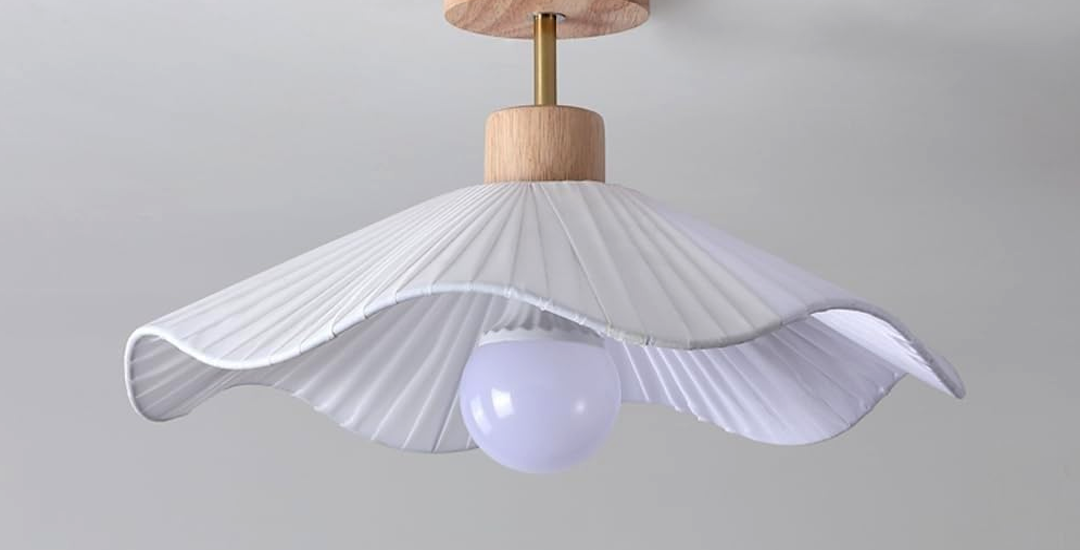
Absolutely! Here’s an article on Scandinavian nursery ceiling lights, focusing on the semi-flush mount pleated paper option, written in a friendly and practical tone.
So, you’re looking for the perfect ceiling light for your nursery, and you’ve landed on the idea of a Scandinavian semi-flush mount with pleated paper. Makes sense! It’s a popular choice for good reason. These fixtures offer a beautiful blend of aesthetics and functionality, bringing that calming, minimalist vibe that Scandinavian design is known for, while being practical for a child’s room.
Basically, when we talk about this kind of light, we’re envisioning a fixture that hangs a bit below the actual ceiling (that’s the “semi-flush” part), often with a soft, diffused glow thanks to the pleated paper shade. Think cozy, inviting, and stylish without being over the top. It’s a sweet spot between a fully recessed light Tomosshop and a hanging pendant, and it’s perfect for nurseries where you want a gentle illumination that won’t be too harsh for little eyes or too much of a hazard for curious hands.
Why Choose Semi-Flush Mount for a Nursery?
When you’re designing a nursery, functionality is key, but you don’t want to sacrifice style. The semi-flush mount design really hits that sweet spot. It’s a brilliant solution for a few practical reasons, and it fits perfectly with the Scandinavian aesthetic we’re aiming for.
Ceiling Height Considerations
One of the first things to think about is how high your ceilings are. If you have standard or even slightly lower ceilings, a full-on pendant light can feel a bit… much. It can make the room feel smaller, and honestly, it’s a bigger bump-risk for taller adults and older children. This is where semi-flush shines.
- The Sweet Spot: Semi-flush lights hang much closer to the ceiling than pendants do. This means they provide ample light without encroaching on valuable headroom. It’s especially useful in rooms that might not have those soaring ceilings, maintaining a sense of space.
- Safety First: In a nursery, this is paramount. Less room for little hands to reach and potentially pull, and crucially, less risk of a bump on the head for anyone moving about. It’s a thoughtful choice for a space designed for safety and comfort.
Diffused Light for Sensitive Eyes
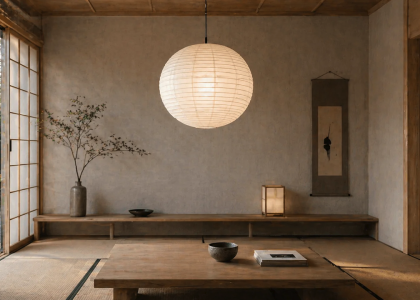
Babies have sensitive eyes. They’re still adjusting to the world, and a harsh, direct light can be overwhelming. The pleated paper shades of these Scandinavian-inspired fixtures are designed to diffuse light beautifully.
- Soft and Gentle Glow: The paper naturally softens the light from the bulb, creating a gentle, ambient glow. This is ideal for late-night feeds, diaper changes, or just creating a calming atmosphere for sleep. No glaring spotlights here!
- Reducing Glare: Direct glare from a bare bulb can be uncomfortable for anyone, but especially for a baby. The pleats scatter the light, minimizing harsh shadows and creating a more uniform, soothing illumination.
- Mood Setting: It’s not just about seeing; it’s about how the light feels. A diffused light contributes to a peaceful, serene environment, which is exactly what you want for your little one’s haven.
Aesthetic Harmony with Scandinavian Design
Scandinavian design is all about simplicity, functionality, and natural elements. The semi-flush mount pleated paper light fits this ethos perfectly.
- Minimalist Appeal: These lights often feature clean lines and understated designs that complement, rather than dominate, the room’s decor. They add a touch of sophistication without being fussy.
- Organic Materials: The paper shade itself brings an organic, earthy feel. It’s a departure from cold metal or plastic, adding warmth and texture.
- Versatile Neutrality: While many feature pure white or off-white shades, they can also come in soft greys or even muted pastels, allowing them to blend seamlessly with a wide range of nursery color palettes.
The Magic of Pleated Paper Shades
The pleated paper shade is more than just a decorative element; it’s the heart of why these Scandinavian nursery lights are so beloved. It’s where form meets function in the most charming way.
Material Qualities and Their Benefits
The choice of paper isn’t arbitrary. It’s a material that brings specific qualities to the lighting experience.
- Light Diffusion Master: Paper, especially when textured or pleated, is exceptional at diffusing light. It breaks up direct light rays, preventing harsh shadows and creating a soft, even illumination. Think of it like a gentle filter for your light source.
- Warmth and Texture: Unlike the cool, sometimes sterile feel of glass or plastic, paper brings a natural warmth and tactile quality. The subtle textures of the pleats add visual interest and depth to the shade.
- Lightweight Construction: Pleated paper shades are typically lightweight, which is a benefit for the overall fixture design and installation.
The Aesthetic Impact of Pleats
The “pleated” aspect is where much of the visual appeal comes from. It’s a classic design element that adds a touch of elegance.
- Dimensionality and Interest: The folds and creases of the pleats create shadows and highlights that give the shade a beautiful depth. It’s not a flat, boring surface; it has a dynamic quality that can be appreciated even when the light is off.
- Classic Yet Modern: Pleating is a timeless design technique, but when applied to a contemporary fixture like this, it feels fresh and relevant. It bridges the gap between vintage charm and modern minimalism.
- Subtle Sophistication: A pleated shade adds a layer of subtle sophistication to the nursery. It suggests attention to detail and a curated aesthetic, elevating the room beyond the purely functional.
Durability and Maintenance Considerations
Now, let’s talk real life. You might be wondering how a paper shade holds up in a nursery. It’s a valid concern, but often less of an issue than you might think.
- Surprising Resilience: Modern pleated paper shades are often made from treated or specially engineered paper that is more robust than you might imagine. They can withstand a surprising amount of use.
- Simple Cleaning: Dust is the main enemy. A gentle feather duster or a soft, dry cloth is usually all that’s needed for regular maintenance. For any minor smudges, a slightly damp cloth (dabbed, not rubbed) can often do the trick, but always test in an inconspicuous area first. Avoid harsh chemicals or excessive moisture.
- Potential for Wear: Of course, in a high-traffic area like a nursery, where little hands might explore, there’s always a potential for wear and tear over time. However, for most families, they hold up beautifully and the aesthetic benefits far outweigh this minor consideration.
Installation and Practicalities
Getting the right light fixture is only half the battle; you also need to make sure it’s installed correctly and functions well in your space.
Hanging the Fixture Safely
Safety is paramount in a nursery, and that includes how the light fixture is attached to the ceiling.
- Secure Mounting: Ensure the fixture comes with a sturdy mounting bracket and all necessary hardware. When installing, it’s crucial to screw it directly into a joist or use appropriate ceiling anchors for your ceiling type. Don’t underestimate the weight, even of a light fixture.
- Professional Installation: If you’re not comfortable with electrical work or mounting heavy objects to the ceiling, it’s always best to hire a qualified electrician. They can ensure it’s done safely and to code.
- Testing Before Use: After installation, turn it on and off a few times, gently test its stability (without pulling!), and ensure it sits flush against the ceiling as intended.
Bulb Choice Matters
The type of bulb you choose can significantly impact the light quality and energy efficiency.
- LEDs are Your Friend: For nursery lights, LED bulbs are usually the best choice. They are energy-efficient, long-lasting, and most importantly, they produce very little heat. This is a significant safety advantage in a room where a child might be close to the light source.
- Warm White is Key: Look for bulbs with a “warm white” color temperature, typically around 2700K to 3000K. This mimics the color of incandescent bulbs and creates a cozy, inviting atmosphere, perfect for a nursery. Avoid “cool white” or “daylight” bulbs, which can feel too stark and clinical.
- Dimmer Compatibility: If your fixture supports it, consider a dimmable LED bulb and a dimmer switch. This allows you to adjust the light level throughout the day, creating brighter light for playtime and a softer glow for bedtime routines.
Ensuring Proper Light Distribution
While the pleated shade does a great job, how the light is distributed throughout the room is still important.
- Consider Room Size: For larger nurseries, you might need to think about the lumen output of your bulb to ensure adequate general illumination. A 60-watt equivalent LED is often a good starting point for general lighting.
- Balanced Illumination: The goal is to avoid dark corners and overly bright spots. The diffused nature of the pleated shade helps with this, but strategically placing other light sources (like a floor lamp or night light) can further enhance the overall lighting scheme.
- Focus on Ambiance: Remember, the primary goal here is usually ambiance. It’s about creating a soft, comforting glow, not necessarily task lighting for intricate activities.
Styling Your Scandinavian Nursery with a Pleated Paper Ceiling Light
Once you’ve got your beautiful ceiling light, the fun really begins in how you integrate it into your nursery’s overall look and feel.
Complementary Decor Elements
Think about how the light fixture’s design can inspire or work with other elements in the room.
- Natural Textures: Embrace other natural materials like wood, cotton, linen, and wool. A wooden crib, a woven rug, or cotton bedding will echo the organic feel of the paper shade.
- Soft Color Palettes: Scandinavian nurseries often feature neutral palettes with pops of soft color. Think whites, creams, light greys, muted pastels like sage green, dusty rose, or baby blue. The light fixture will blend seamlessly into these schemes.
- Minimalist Accents: Avoid clutter. Keep decorative items purposeful and understated. A few well-chosen prints on the wall, a simple mobile, or a few soft toys are enough.
Creating Zones Within the Nursery
Even small rooms can benefit from defined areas. Your ceiling light plays a role in this.
- General Ambiance: The main ceiling light provides the overall mood and illumination for the entire room. It’s the anchor for how the space feels when you walk in.
- Soft Lighting for Sleep Areas: If you have a dedicated sleep nook, ensure your ceiling light offers a warm, dimmable option. You might also consider a soft night light nearby.
- Play Area Illumination: While you want a gentle atmosphere, ensure play areas aren’t too dim. The general ceiling light should be sufficient, but if you find it needs a boost, a strategically placed floor lamp can add extra light for playtime.
The Importance of Scale
Just like with any decor item, the scale of your light fixture matters.
- Room Size Harmony: A tiny nursery might feel overwhelmed by a very large and intricate pleated shade, while a spacious room might look a bit sparse with a very small one. Look for fixtures that are proportionate to the size of your room.
- Ceiling Height Dance: As mentioned, semi-flush mounts are fantastic for managing ceiling height, but even within that category, there’s variation. Measure your ceiling height and the intended fixture’s drop to ensure it’s functional and looks balanced.
- Visual Weight: The “visual weight” of a fixture also plays a role. A dense cluster of pleats might feel heavier than a more loosely pleated shade. Consider the overall aesthetic you’re aiming for.
Where to Find Your Perfect Fixture and What to Look For
Ready to find that light? Here’s a guide to what to keep an eye out for.
Key Features to Prioritize
When you start browsing, having a checklist will help you narrow down your options.
- Shade Material: Look for “rice paper,” “shoji paper,” or specifically “pleated paper.” Ensure it feels sturdy enough for gentle dusting.
- Mounting Type: Confirm it’s a “semi-flush mount.” This means it attaches directly to the ceiling with minimal extension.
- Fixture Base Material: While the shade is key, the base material also matters. Brushed nickel, matte black, white, or natural wood finishes often complement the Scandinavian aesthetic well.
- Size and Diameter: Check the dimensions carefully to ensure it fits your ceiling height and room proportions.
Retailer Recommendations (General)
You won’t find a single magic store, but here are types of places and some common brands that often carry these styles.
- Online Retailers: Large online home goods stores often have a vast selection. Think Wayfair, Overstock, Amazon, Houzz. Use specific search terms like “Scandinavian paper ceiling light,” “pleated semi-flush mount nursery light,” “rice paper flush mount.”
- Specialty Lighting Stores: Local lighting showrooms can be great for seeing fixtures in person and getting expert advice.
- Scandinavian-Inspired Home Goods Stores: Some stores that focus on Scandinavian decor will carry lighting that fits this style.
- Brands to Explore (Examples): While specific models change, brands like IKEA sometimes have similar styles. More design-focused brands might offer premium versions. Keep an eye out for terms like “mid-century modern” or “organic” lighting as well, as these often overlap with Scandinavian design.
Budget Considerations
These lights can range quite a bit in price.
- Entry-Level Options: You can find perfectly lovely pleated paper semi-flush mounts for under \$100, especially from larger online retailers. These are great for value.
- Mid-Range Choices: As you move up, you might see higher quality paper treatments, more robust base materials, or designer elements, pushing the price to \$150-\$300.
- Designer Pieces: For a premium look and feel, some designer brands can cost \$500 and up. It really depends on your budget and how much you want to invest in this particular element of your nursery.
Conclusion: A Bright Idea for a Serene Nursery
So, there you have it. The semi-flush mount pleated paper ceiling light is more than just a light source; it’s a thoughtful design choice that brings warmth, softness, and a touch of Scandinavian elegance to your nursery. It’s practical for managing ceiling height and creating a safe, comfortable environment, and its diffused light is perfect for those sensitive little eyes.
By paying attention to the material, the installation, and how it fits with your overall decor, you can create a beautifully lit sanctuary for your little one. It’s a piece that adds both functional illumination and quiet charm, making those precious nursery moments even more special.