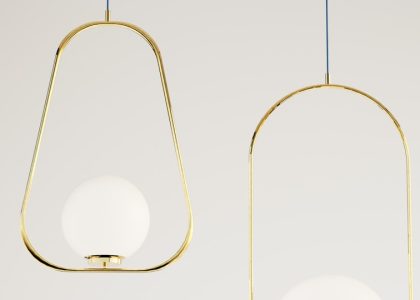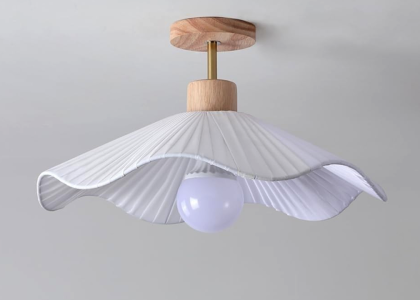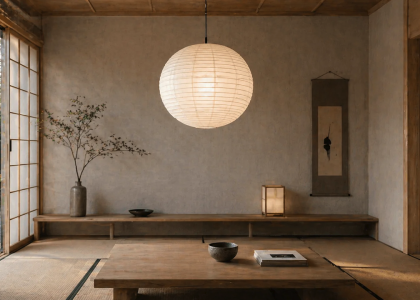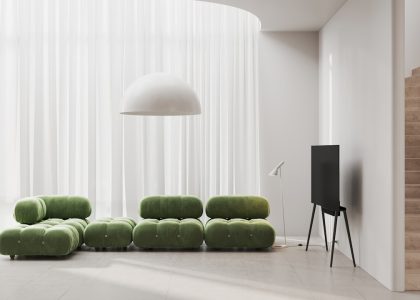

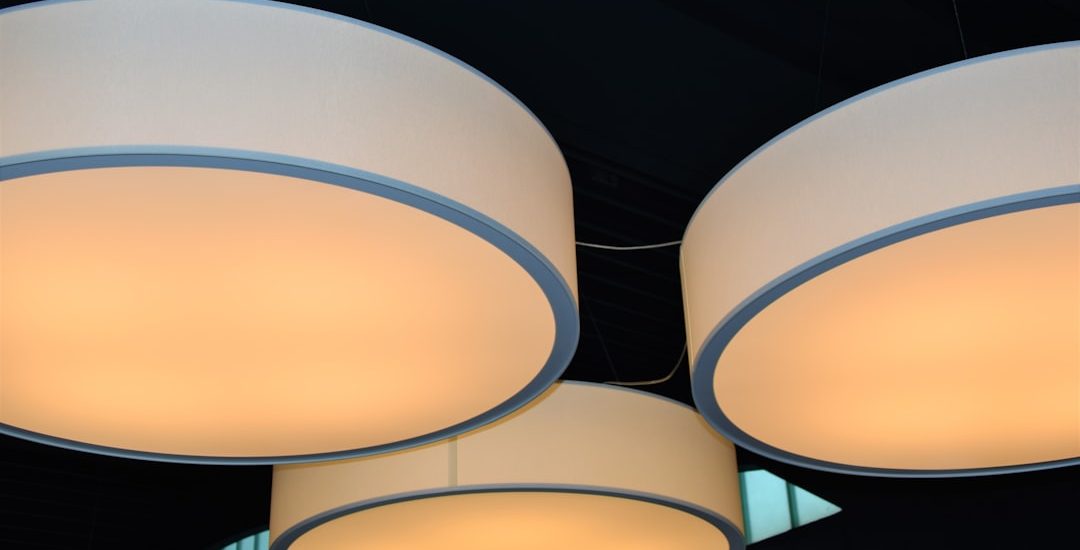
Wabi-sabi, at its heart, is about appreciating the beauty in imperfection, the transient, and the modest. When we talk about Japanese-inspired pendant lights and wabi-sabi, we’re really looking at fixtures that embody this philosophy, not just decorative pieces. These aren’t your typical shiny, flawless showstoppers. Instead, they often feature natural materials, a handcrafted feel, and a sense of quiet authenticity that brings a calming, grounded atmosphere to a space. It’s about finding elegance in simplicity and the stories that come with age and imperfection, offering a refreshing alternative to mass-produced uniformity.
Wabi-sabi isn’t a design style in the way Scandinavian minimalism or industrial chic are. It’s more of a worldview, and its principles trickle down into design choices. For pendant lights Enconco, this means moving away from a quest for perfection and embracing characteristics that might otherwise be overlooked.
The Philosophy Behind the Glow
Think of it this way: a factory-made, perfectly uniform lamp might seem appealing at first. But a wabi-sabi inspired light fixture often tells a different story. It celebrates the unique grain of wood, the slight unevenness of hand-thrown ceramic, or the subtle variations in naturally dyed fabric. These aren’t flaws; they’re features that give an object its character and soul. The goal isn’t sterile perfection, but a lived-in, soulful presence.
Imperfection as Design
This is where the magic happens. A slight crack in a ceramic shade, a knot in a wooden frame, or the subtle discoloration in aged metal – these elements are not hidden. They are seen as part of the item’s journey, adding depth and narrative. For pendant lights, this often translates to visible joinery, unpolished finishes, and a deliberate avoidance of glossy, pristine surfaces. It’s about being honest with the materials.
Transience and the Passage of Time
Wabi-sabi acknowledges that everything is impermanent. A pendant light embracing this idea might be made from materials that will weather and age beautifully over time. Wood darkens, metal develops a patina, paper softens. Rather than fighting these changes, wabi-sabi encourages us to appreciate them as part of the object’s evolution. It’s a gentle reminder that nothing lasts forever, and there is beauty in that process of decay and renewal.
Key Characteristics of Wabi-Sabi Pendant Lights
When you’re looking for a pendant light that truly embodies wabi-sabi principles, keep an eye out for specific features that set them apart from more conventional designs. These characteristics are often subtle but impactful.
Natural and Unprocessed Materials
This is perhaps the most defining feature. Wabi-sabi lights lean heavily on materials found in nature, often in their raw or minimally processed states.
- Wood: Unfinished or lightly oiled wood, showcasing its grain, knots, and natural variations. Think salvaged driftwood, bamboo, or simple, unembellished timber.
- Paper: Washi paper, often handmade, with its delicate texture and subtle translucence. The slight imperfections in the paper, like visible fibers, are celebrated.
- Ceramics/Pottery: Hand-thrown pieces with an earthy, often unglazed or matte finish. Slight irregularities in shape or surface texture are desirable.
- Fibers: Linen, hemp, rattan, or jute, often woven loosely to create organic shapes and soft light diffusion. The natural variations in thread thickness add character.
- Metals: Often aged or blackened, with a visible patina. Think brushed brass, dark iron, or weathered copper, showing signs of oxidation rather than being highly polished.
Earthy and Muted Color Palettes
The colors associated with wabi-sabi are almost exclusively drawn from nature.
- Neutrals: Greys, beiges, creams, and off-whites form the foundation.
- Earth Tones: Soft greens, muted blues, warm browns, and charcoal blacks.
- Subtle Hues: Colors are typically desaturated, avoiding bright or vibrant pops. The focus is on texture and form rather than bold color statements.
Organic and Irregular Forms
Wabi-sabi rarely embraces rigid geometry or perfect symmetry.
- Asymmetry: Shapes are often deliberately asymmetrical, reflecting natural forms.
- Handcrafted Feel: A slightly uneven edge, a gentle curve that isn’t perfectly round, or a subtly distorted silhouette adds to the handcrafted appeal.
- Simplicity: While organic, the forms are generally simple and unembellished, allowing the material and its imperfections to take center stage. There’s no excessive ornamentation.
Soft, Diffused Lighting
The light emitted by these fixtures is as important as the fixture itself.
- Warm Tones: The light tends to be a warmer, softer glow, often diffused through paper, fabric, or matte ceramic.
- Ambient Illumination: Wabi-sabi pendants are typically not meant for bright task lighting but rather to create a calming, ambient atmosphere. They cast gentle shadows rather than harsh illumination.
- Glare Reduction: The design often incorporates elements that prevent direct glare, making the light source comfortable to look at.
Sourcing Authentic Wabi-Sabi Inspired Lights
Finding a wabi-sabi pendant isn’t about popping into the nearest big-box store. It requires a more considered approach, leaning towards craftsmanship and unique pieces.
Supporting Artisans and Small Workshops
This is often the best avenue. Artisans who value traditional techniques and natural materials are more likely to produce pieces that align with wabi-sabi principles.
- Online Marketplaces: Platforms like Etsy, folksy, or even Instagram can connect you directly with individual makers. Look for descriptions that highlight handmade processes, material origins, and the artisan’s philosophy.
- Local Craft Fairs: These events offer an opportunity to see the craftsmanship firsthand and speak directly with the creators.
- Specialty Boutiques: Smaller homeware stores that curate their collections often feature independent artists and unique, handcrafted items.
Materials First: What to Look For
When you’re browsing, prioritize the materials used.
- Genuine Materials: Be wary of “faux” finishes. Look for real wood, actual ceramic, or authentic paper, not plastic imitators.
- Visible Texture and Grain: The material shouldn’t look perfectly smooth or uniform unless it’s deliberately minimalist earthenware. You want to see the character of the wood or the fibers in the paper.
- Honest Construction: Visible joinery, natural glues, and traditional methods of assembly are good indicators. Avoid overly ornate or heavily machine-finished pieces.
The Challenge of Modern Reproductions
It’s important to distinguish between genuine wabi-sabi and mass-produced items that mimic its aesthetic.
- Look for the Story: Genuine wabi-sabi pieces often have a story behind their creation, whether it’s about the materials, the maker, or a specific traditional technique. If a piece feels generic, it probably is.
- Feel and Weight: Mass-produced items often feel lighter, less substantial, and lack the inherent “soul” of something handcrafted.
- Pricing: While not always a definitive indicator, extremely low prices for “wabi-sabi” items can be a red flag, suggesting machine-made imitations rather than true craftsmanship. True handcrafted pieces command a price that reflects the labor and material quality.
Incorporating Wabi-Sabi Pendants into Your Space
It’s not just about the light itself; it’s about how it fits into the broader context of your room. Wabi-sabi lighting thrives in environments that echo its simple, natural ethos.
Creating a Harmonious Environment
Think about the overall feel you want to achieve.
- Decluttering: Wabi-sabi spaces typically embrace minimalism, but not a stark, sterile kind. It’s about removing excess to highlight the beauty of the few chosen items.
- Natural Textures: Complement your pendant light with other natural elements – stone, wood furniture, linen textiles, wool rugs.
- Openness and Air: Allow space around your wabi-sabi objects. Don’t crowd them with other decorations. Each piece should have room to breathe and be appreciated.
Placement Matters: Where to Hang Them
The strategic placement of your wabi-sabi pendant can significantly impact its effect.
- Above a Dining Table: A single, impactful pendant or a cluster of smaller, varying lights can create a focal point and a cozy dining experience.
- In a Reading Nook: A smaller, more intimate pendant can provide ambient light for relaxation, enhancing the feeling of a quiet retreat.
- Entryway or Hallway: A single, understated wabi-sabi light can offer a calming welcome without overwhelming the space.
- Bedroom: Soft, diffused light from a wabi-sabi pendant can contribute to a serene and restful atmosphere. Avoid harsh overhead lighting.
Complementary Decor for an Authentic Look
To truly embrace the wabi-sabi aesthetic, consider these elements:
- Subtle Color Palette: Stick to muted, earthy tones for walls, furniture, and textiles. Avoid strong contrasts or overly bright colors.
- Handmade Ceramics: Display a few unique, unglazed or matte ceramic bowls or vases. Their imperfections will resonate with the lights.
- Natural Materials in Furniture: Choose solid wood pieces, linen upholstery, or rattan accents. Avoid shiny, highly polished, or synthetic materials.
- Minimalist Art: Abstract pieces with natural textures or simple landscapes can add visual interest without distracting from the overall calm.
- Live Plants: Simple, unfussy plants like ferns or small trees bring life and a touch of organic presence. Choose natural planters.
Maintaining Your Wabi-Sabi Investment
Since these lights are often made from natural, unprocessed materials, they might require a slightly different approach to care than conventional fixtures. Embracing the aging process is key.
Embracing Patina and Wear
This is fundamental to the wabi-sabi philosophy.
- Aging Gracefully: Understand that wood may darken, metal may develop a richer patina, and paper might soften or subtly change color over time. These are not defects but markers of the object’s journey and are to be appreciated.
- Minor Imperfections: Don’t panic over a small scratch or a slight alteration in appearance. These add to the character and unique story of your light.
- Avoid Over-Polishing: Resist the urge to constantly polish metals or strip finishes from wood. Let them age naturally.
Cleaning Natural Materials
While embracing age, basic cleaning maintains functionality and prevents excessive build-up.
- Dust Regularly: A soft, dry cloth or a feather duster is usually sufficient for most materials like wood, paper, and unglazed ceramics.
- Gentle Spot Cleaning: For minor marks on wood, a slightly damp cloth can be used sparingly, then immediately dried. For paper, avoid liquids if possible.
- Avoid Harsh Chemicals: Most natural materials will react poorly to chemical cleaners, which can strip finishes, disfigure paper, or damage wood. Stick to natural methods or just plain dust removal.
The Role of Repair and Renewal
Wabi-sabi values repair over replacement, seeing patched or mended items as having added history and beauty.
- Kintsugi (Metaphorically): While you might not be repairing a ceramic lamp with gold lacquer, the spirit of kintsugi applies. If an element of your light gets damaged, consider repairing it skillfully rather than discarding it. This could mean careful gluing, re-weaving, or replacing a small component with a similar, natural material.
- Sustainable Choice: Repairing and maintaining items aligns with a sustainable mindset, reducing waste and honoring the resources used to create the light.
By understanding and applying these principles, your Japanese-inspired wabi-sabi pendant light will not only illuminate your space but also serve as a constant reminder of the profound beauty found in the simple, the natural, and the perfectly imperfect. It’s a quiet rebellion against the pristine and a celebration of authentic existence.