
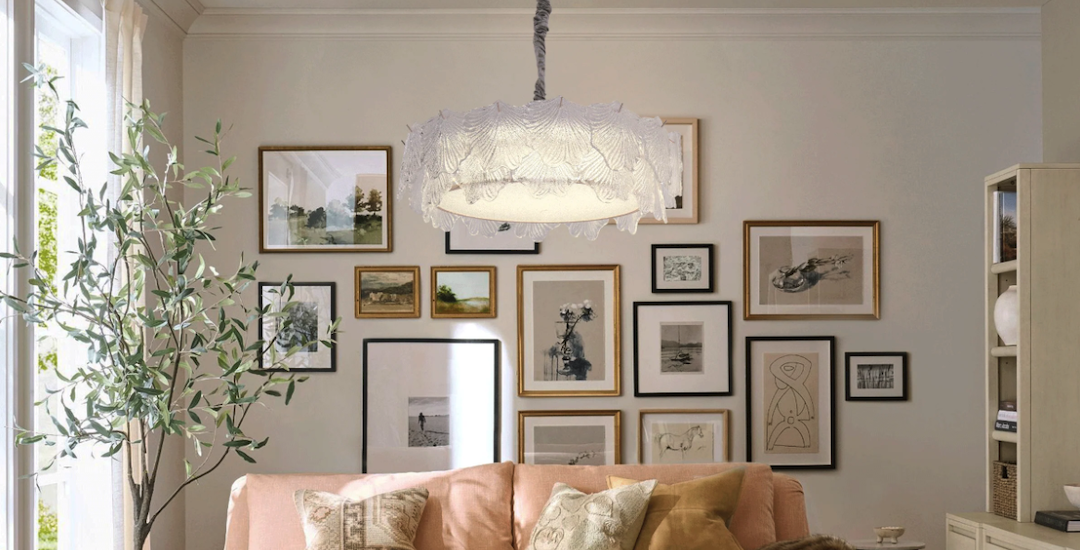
Glass pendant lighting can be a good choice for your living room if you are looking to add a functional and aesthetically pleasing light source. These fixtures offer a balance of light distribution and visual interest, suitable for various interior styles. They can illuminate specific areas or provide ambient light, depending on their design and placement.
When considering lighting Tomosshop for your living room, glass pendants stand out for several reasons. They’re not just about light; they’re also a design element.
Practicality in Design
Glass is a versatile material. It allows light to pass through, which can brighten a room without overwhelming it. Unlike opaque fixtures that cast light downwards or upwards, glass diffusers can spread light more evenly. This can be particularly useful in living rooms where you want a comfortable, well-lit environment for activities from reading to entertaining. The transparency of glass also means the fixture itself doesn’t feel heavy or bulky, which can be a plus in smaller spaces or rooms with lower ceilings.
Enhancing Ambient Light
Ambient lighting is the foundation of any good lighting plan. Glass pendants can contribute significantly to this. A single pendant or a cluster of them can provide a soft, general glow that makes a room feel welcoming. The way light refracts and reflects off glass can add an extra layer of visual texture to your living space.
Choosing the Right Style and Shape
The style and shape of your glass pendant will largely dictate its overall impact on your living room. There’s a wide range available, from minimalist designs to more intricate forms.
Contemporary Choices
For modern interiors, clean lines and geometric shapes are often preferred. Think about pendants with a simple globe, a cylindrical form, or even abstract designs. These often feature clear or lightly tinted glass, allowing the focus to remain on the form and the light itself. Brushed metals or matte black accents often accompany these styles, reinforcing their contemporary feel. They can blend seamlessly into a minimalist living room or act as a subtle focal point without being overpowering.
Traditional and Transitional Options
If your living room leans towards a more traditional or transitional aesthetic, frosted, seeded, or even colored glass pendants can be a good fit. These might incorporate more ornate metalwork, perhaps in brass or bronze finishes. Shapes like bell jars, fluted shades, or elegant teardrops can complement classic décor. The aim here is often a softer, more diffused light that contributes to a serene atmosphere. Such fixtures can bridge the gap between classic design elements and modern sensibilities, offering a timeless appeal.
Statement Pieces
Sometimes, a pendant isn’t just about lighting; it’s about making a statement. Oversized glass globes, unusually shaped sculptural designs, or intricate multi-light clusters can transform a plain ceiling into a focal point. When choosing a statement piece, consider the room’s proportions. A very large pendant might overwhelm a small living room, while a tiny one could get lost in a spacious area. The goal is to create a visual anchor that draws the eye without being disproportionate.
Placement and Installation Considerations
Where and how you install your glass pendant fixture is just as important as the fixture itself. Proper placement ensures optimal lighting and visual harmony.
Over Coffee Tables
One common and effective placement for a glass pendant is directly above a coffee table. This provides task lighting for activities centered around the table, such as reading or playing board games. It also serves as a central design element, anchoring the seating area. When hanging a pendant here, ensure it’s high enough not to obstruct views or head space, typically around 30-36 inches above the tabletop. The size of the pendant should also be proportionate to the table. A small pendant over a large table can look out of place, and vice versa.
Corner Illumination
If you have a reading nook or a specific display in a corner of your living room, a single pendant can provide focused illumination. This can add a layer of functional lighting where needed, rather than relying solely on lamps. A smaller, more directional glass pendant can highlight artwork or architectural features, adding depth to the room. The advantage of glass in this application is that it can still allow some ambient spill, preventing sharp contrasts between light and shadow.
Groupings and Clusters
For larger living rooms or those with high ceilings, grouping several glass pendants can create a more dramatic and effective lighting solution. This could involve hanging pendants at varying heights or in a linear arrangement. This approach offers multiple points of light, distributing illumination more evenly across a wider area. It also adds significant visual interest, transforming the ceiling into a dynamic canvas. When grouping, consider pendants of different sizes or shapes for an eclectic look, or identical ones for a more cohesive, architectural effect.
Ceiling Height and Room Size
Always factor in your ceiling height and the overall size of your living room. A long, slender pendant might suit a room with high ceilings, while a more compact design would be appropriate for a standard height room. The general rule is to leave ample headspace. For general ambient lighting, pendants are typically hung at least 7 feet from the floor. In a vaulted ceiling, you have more flexibility, but still consider the sightlines from different seating positions. A good rule of thumb is that the bottom of the pendant should not be lower than the top of a doorframe.
Lighting Temperature and Dimming Capabilities
Beyond the fixture itself, the actual light emitted plays a crucial role in creating the desired atmosphere.
Color Temperature Choices
Light bulbs come in various color temperatures, measured in Kelvins (K).
- Warm White (2700K-3000K): This emits a soft, inviting glow reminiscent of incandescent bulbs. It’s often preferred for living rooms to create a cozy, relaxed feel. Glass pendants with warm white light can enhance natural wood tones and warm color palettes.
- Cool White (3500K-4100K): This provides a brighter, more neutral light. While sometimes used in kitchens or offices, it can feel a bit sterile in a living room if not balanced with other warmer light sources. Clear glass pendants with cool white bulbs can offer crisp, functional light for specific tasks.
- Daylight (5000K-6500K): This mimics natural daylight and is generally considered too harsh for a living room, where comfort and relaxation are priorities.
Given the typical function of a living room, warm white bulbs are usually the preferred choice for glass pendants. They contribute to a more comfortable and less clinical environment. The glass diffuse can soften even a slightly cooler bulb, but generally, warmer tones are more inviting.
The Benefit of Dimmers
A dimmer switch is nearly essential for any living room lighting, especially with pendants. It allows you to adjust the light intensity to suit different moods and activities. Bright light for cleaning or reading, a softer glow for evening relaxation or entertaining. Glass pendants, while transmitting light well, can sometimes be quite bright. The ability to dim them down means you can adapt the ambiance from functional brightness to a subtle, atmospheric glow without having to rely on multiple light sources. This flexibility is a significant practical advantage. Make sure the bulbs you choose are dimmable if you plan to use a dimmer switch. LED bulbs often require specific, compatible dimmers.
Maintenance and Longevity
Like any fixture, glass pendants require some care to keep them looking good and functioning properly.
Cleaning Your Glass Pendants
Glass, while beautiful, can attract dust and smudges. Regular cleaning is important. For most glass pendants, a soft, lint-free cloth and a mild glass cleaner are sufficient. Always turn off the power to the fixture before cleaning. For more intricate designs or textured glass, a soft brush might help dislodge dust in crevices. Avoid abrasive cleaners or harsh chemicals, which can scratch or damage the glass or any accompanying metal finishes. If the pendant is high up, use a sturdy ladder and exercise caution. A little routine maintenance can keep your pendant looking sharp for years.
Replacing Bulbs
Bulb replacement will be a periodic task. LED bulbs have a much longer lifespan than traditional incandescent or CFL bulbs, reducing the frequency of replacement. When a bulb does need replacing, ensure you purchase one with the correct base type (E26, E12, GU10, etc.) and wattage. Exceeding the recommended wattage can lead to overheating and damage to the fixture. Always turn off the power at the circuit breaker before attempting to replace a bulb. If you have chosen specific color temperature bulbs, try to replace them with bulbs of the same temperature to maintain consistent lighting.
Wiring and Structural Support
Before installation, ensure your ceiling can support the weight of the pendant fixture. Most standard junction boxes are designed for typical light fixtures, but a very large or heavy glass pendant might require additional bracing within the ceiling. If you are uncertain about the wiring or structural requirements, it is prudent to consult with a qualified electrician. They can ensure the installation is safe and up to code. This step is particularly important for multi-light installations or very substantial single pendants. Incorrect wiring or inadequate support can be a safety hazard.