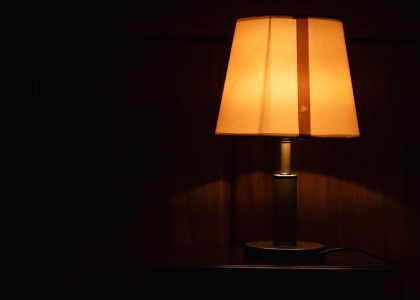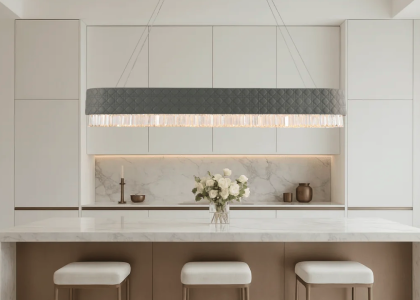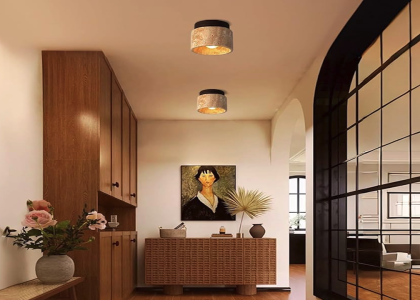

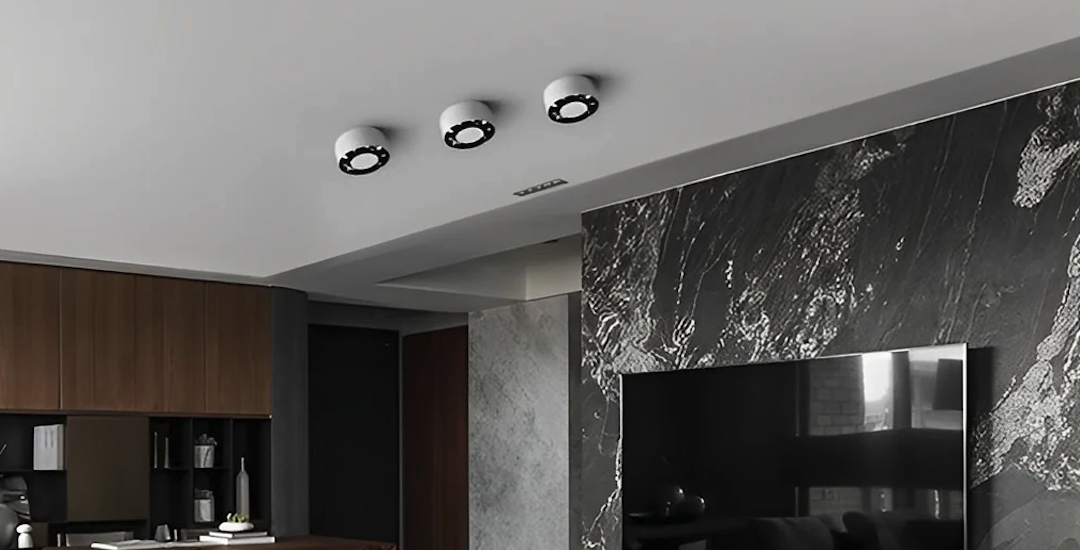
So, you’re wondering what a minimalist ultra-slim ceiling downlight is? Simply put, it’s a lighting fixture designed to be as unobtrusive as possible, blending seamlessly into your ceiling. Think of it as a discreet source of light that doesn’t draw attention to itself, offering a clean, modern aesthetic without visible bulk.
Why Less is Often More with Lighting
In today’s design world, there’s a real appreciation for clean lines and uncluttered spaces. Big, clunky light Tomosshop fixtures are out, and subtle, integrated solutions are in. Minimalist ultra-slim downlights fit right into this trend, providing effective illumination without becoming a focal point. They’re about letting your furniture, art, or just the openness of a room shine, rather than the light source itself.
The core idea behind these downlights is visual minimalism. They’re not meant to be decorative statements; their beauty lies in their ability to disappear.
The “Barely There” Aesthetic
Imagine a ceiling where the light just appears to emanate from. That’s the goal. These fixtures often have bezels (the visible rim) that are incredibly thin, or even recessed entirely, so all you primarily see is the light itself. This creates a very sophisticated and contemporary feel.
Beyond Just Looks: Functionality in a Slim Package
It’s not just about aesthetics, though. This design philosophy also has practical benefits. A slimmer profile means less bulk in your ceiling void, which can be a huge bonus, especially in homes with limited ceiling depth or where you want to minimize structural intrusion. It allows for more flexible placement and can simplify installation in certain scenarios.
Technical Marvels: How They Achieve Slimness and Performance
Getting light out of a tiny package isn’t magic, but it does involve some clever engineering. These aren’t just smaller versions of traditional downlights; they’re fundamentally re-engineered.
LED Technology at Its Core
This is the absolute bedrock. Traditional incandescent or halogen bulbs simply aren’t slim enough. LEDs (Light Emitting Diodes) are tiny, efficient, and generate less heat, making them perfect for compact designs.
Miniaturized Components
Every single component, from the LED chip itself to the driver (which powers the LED), is selected and designed for maximum compactness. This means carefully integrated drivers, sometimes built right into the fixture, or highly efficient heat sinks that are much smaller than what older technologies required.
Advanced Heat Dissipation
Even though LEDs produce less heat than older bulbs, heat management is still crucial for their lifespan and performance. Ultra-slim designs often incorporate innovative thermal management systems, like specialized aluminum alloys or clever fin designs, to dissipate heat effectively within the limited space. This ensures the LED chips don’t overheat, which would shorten their life or dim their output.
Optics and Beam Control
Getting good light from a small source requires smart optics. It’s not just about throwing light everywhere; it’s about directing it where you need it.
Reflector and Lens Design
Many slim downlights use precisely designed reflectors or lenses to shape the beam of light. This allows them to offer different beam angles – from a narrow spot for accent lighting to a wider flood for general illumination – despite their small size. This precision helps maximize the light output by minimizing wasted light.
Glare Reduction Techniques
With tiny, powerful light sources, glare can be an issue. Manufacturers employ various techniques to minimize it, such as deep-set light sources or frosted diffusers, ensuring the light is comfortable to be under, not harsh. Some designs even use micro-perforated baffles to control light spill.
Installation and Practical Considerations
While designed for discretion, there are still a few things to keep in mind when installing and using these downlights.
Shallow Recess Depth: A Key Advantage
One of the biggest practical benefits is their shallow mounting depth. This is a game-changer for many projects.
Perfect for Limited Ceiling Voids
Older homes, remodels, or spaces with complex pipework or ducting often have very little space above the plasterboard. Conventional recessed lights can be a nightmare to fit, sometimes requiring major structural changes. Ultra-slim downlights glide into these spaces with ease, making lighting dreams possible where they weren’t before.
Easier Installation in General
Less depth typically means less cutting into joists (though always check local building codes for cutting into structural elements), fewer obstacles to clear, and a smoother installation process overall. This can save time and reduce labor costs.
Driver Location: Integrated vs. Remote
How the LED driver is handled can vary and impacts installation.
Integrated Drivers
Many ultra-slim downlights have the driver built directly into the fixture itself. This simplifies wiring as it’s a single unit. It can be slightly trickier to replace if the driver fails independently of the LED, but modern drivers are very reliable. The downside is that the integrated driver adds a tiny bit to the fixture’s overall footprint, though still very slim.
Remote Drivers
Some designs use a separate, remote driver. This allows the fixture itself to be even smaller and shallower, as the driver isn’t part of the main housing. However, you’ll need space in the ceiling void or a junction box nearby to stash the driver. This can sometimes be more flexible for maintenance, as the driver is externally accessible.
Dimming Compatibility
Most modern LED downlights are dimmable, but it’s crucial to check compatibility.
Trailing Edge vs. Leading Edge
LED drivers are typically designed to work with either trailing edge (reverse phase) or leading edge (forward phase) dimmers. While many new dimmers are ‘universal,’ always verify that your dimmer is compatible with the specific downlight you’re buying for flicker-free operation and optimal performance. Using the wrong type of dimmer can cause buzzing, flickering, or shorten the life of the LED or driver.
“Dimmable” Doesn’t Always Mean “Dim-to-Warm”
Be aware that “dimmable” just means the light will get brighter and dimmer. Some specialized downlights offer “dim-to-warm” technology, where the color temperature shifts from a brighter white to a warmer, more incandescent-like glow as you dim it. If you want this effect, look for it specifically, as it’s not standard.
Where Minimalist Ultra-Slim Downlights Shine
These fixtures aren’t just for minimalist homes. Their versatility makes them suitable for a wide range of applications.
Residential Spaces: Elevating Everyday Living
From kitchens to bathrooms, these downlights offer sophisticated lighting with minimal visual intrusion.
Kitchens and Bathrooms
In moisture-prone areas, look for downlights with appropriate IP ratings (e.g., IP44 for bathrooms, IP65 for showers). Their low profile is great for under-cabinet lighting or in walk-in showers where larger fixtures would feel obtrusive. In kitchens, they can provide excellent task lighting without cluttering the ceiling.
Living Rooms and Bedrooms
For general ambient lighting, a grid of evenly spaced slim downlights can create a bright, inviting space. If you have artwork or architectural features, use narrower beam angles to highlight them. In bedrooms, they provide clean, adaptable lighting that doesn’t compete with other decor elements.
Commercial Environments: Professional and Polished
Offices, retail spaces, and hospitality venues all benefit from the clean, efficient light these fixtures provide.
Offices and Retail
They provide crisp, uniform lighting important for productivity and showcasing products. Their sleek design complements modern corporate or retail aesthetics. In retail, they allow the focus to remain on the merchandise, not the lighting fixture itself. In offices, they contribute to a professional and uncluttered workspace.
Hospitality (Hotels, Restaurants)
Creating the right ambiance is key in hospitality. Slim downlights can be used for general illumination, but also for accentuating architectural details, artwork, or table settings without being visually distracting. Their discreet nature helps maintain a luxurious appearance.
Choosing the Right Minimalist Ultra-Slim Downlight
With so many options available, here’s what to keep in mind to make the best choice for your needs.
Lumen Output and Beam Angle
Don’t just look at wattage; focus on lumens (the actual brightness).
Lumens for Room Size
As a very rough guide, you’ll generally want around 10-20 lumens per square foot for ambient lighting in living spaces, and more like 30-50 lumens per square foot for task areas like kitchens or offices. This will vary depending on ceiling height and light color preferences.
Beam Angle for Purpose
- Narrow (e.g., 20-30 degrees): Ideal for accentuating specific objects, artwork, or architectural features. Creates dramatic pools of light.
- Medium (e.g., 40-60 degrees): Good for general task lighting or creating focused ambient light over certain areas.
- Wide (e.g., 70+ degrees): Best for broad, even general illumination across a room. Reduces the number of fixtures needed but can sometimes feel less defined.
Colour Temperature (CCT)
This is about the color of the light, measured in Kelvin (K).
Warm White (2700K-3000K)
This is a soft, inviting light, similar to traditional incandescent bulbs. Great for living rooms, bedrooms, and dining areas where you want a cozy atmosphere.
Neutral White (3500K-4000K)
A balanced, crisp light that’s good for kitchens, bathrooms, offices, and retail spaces where you need clear visibility without feeling too clinical.
Cool White (5000K-6000K)
A bright, almost bluish-white light often found in commercial settings, garages, or areas requiring high visibility. Less common for residential general lighting.
Colour Rendering Index (CRI)
How accurately colors appear under the light.
Why CRI Matters
A high CRI means colors look more vibrant and true to life. For most residential settings, a CRI of 80+ is acceptable. For art galleries, retail (especially clothing), or kitchens where food presentation is key, you might want a CRI of 90+. Low CRI can make objects look dull or washed out.
IP Rating
Important for wet or damp areas.
Understanding IP Codes
The IP (Ingress Protection) rating has two digits. The first indicates protection against solids (dust), and the second against liquids (water).
- IP20: Standard indoor, dry applications.
- IP44: Protected against splashing water from any direction. Suitable for bathrooms outside of the direct shower zone.
- IP65: Fully protected against dust and low-pressure water jets. Ideal for shower enclosures or outdoor covered areas.
- IP67/68: Submersible for limited periods/continuously. For truly wet environments like walk-in ground lights or certain outdoor applications.
Finishes and Styles
Even with a minimalist design, there are still options for aesthetic integration.
Bezel Finishes
Common finishes include white (to blend with the ceiling), black (for contrast or a modern edge), brushed chrome/nickel, or polished chrome. Choosing a narrow or trimless bezel further enhances the minimalist look.
Square vs. Round
Most downlights are round, but square options are available for a very linear, contemporary aesthetic.
Adjustable vs. Fixed
Some ultra-slim downlights offer adjustable gimbals, allowing you to direct the light. This adds versatility for accent lighting but might slightly increase the visible bezel compared to a completely fixed, recessed light.
Longevity and Maintenance
LED technology means these fixtures are built to last, but a little understanding goes a long way.
Lifespan and Energy Efficiency
LEDs are renowned for their long lifespan—often 25,000 to 50,000 hours or more. This means years, potentially decades, of maintenance-free operation for most homeowners. This longevity, combined with their incredible energy efficiency (using a fraction of the electricity of older technologies), makes them a very cost-effective lighting solution over time.
Replacement Considerations
For most ultra-slim downlights, the LED chips are integrated into the fixture. This means if an LED array fails, you typically replace the entire downlight unit, not just a bulb. This is where choosing a reputable brand with a good warranty comes into play. It’s rare for all the LEDs in an array to fail at once, but individual chip failures can happen over a long enough period, usually at the end of the LED’s life or due to an electrical surge.
By keeping these points in mind, you can confidently choose the minimalist ultra-slim ceiling downlights that not only provide beautiful, functional lighting but also seamlessly enhance your space. They’re more than just lights; they’re an integrated part of modern design.