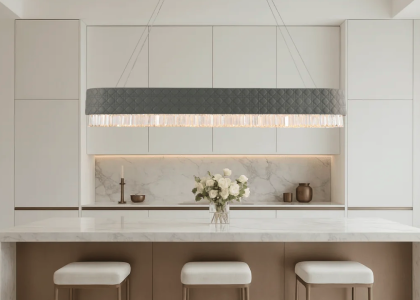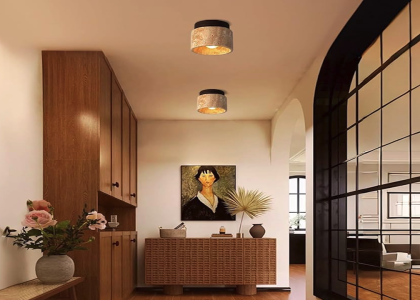


You’re looking to make your bedroom a truly peaceful retreat, and a soft diffusion ceiling light is a fantastic way to achieve that. The basic idea is to spread the light out gently, avoiding harsh glare and creating a calming, even glow that’s perfect for winding down.
Why Soft Diffusion is Key for Bedroom Tranquility
Think about the last time you were in a room with really bright, direct overhead lighting. It can feel jarring, almost like being under a spotlight. In a bedroom, that kind of lighting Tomosshop is the opposite of what you want for relaxation. Soft diffusion, on the other hand, takes that direct light and disperses it. This means no more squinting or feeling assaulted by brightness. Instead, you get a gentle illumination that washes over the room, making it feel more welcoming and serene.
This type of lighting affects how we perceive a space. Harsh shadows and intense hotspots can make a room feel busy or even anxious. Soft diffusion smooths out these visual irregularities, creating a more harmonious and balanced environment. It’s less about the wattage and more about the quality of the light itself.
Understanding Different Diffusion Technologies
When we talk about “soft diffusion,” there are a few ways manufacturers achieve this. It’s not just magic; there are specific design elements at play. Understanding these can help you choose the right fixture for your needs.
Diffuser Materials: The First Line of Defense
The material that covers the light source is crucial. Different materials have varying abilities to scatter light.
Opal Acrylic: A Common Performer
Opal acrylic is a very popular choice for a reason. It’s relatively inexpensive, durable, and effective at hiding the individual light bulbs or LED chips beneath. When light passes through it, it’s broken up and spread out. The level of diffusion can vary depending on the thickness and specific formulation of the acrylic.
Frosted Glass: A Classic Choice
Frosted glass offers a similar effect to opal acrylic but often has a more premium feel. The frosting process creates a textured surface that scatters light. Like acrylic, the density of the frosting plays a role in how soft the final light appears.
Fabric Shades: Adding Warmth and Texture
Fabric shades, often seen in more traditional or bohemian styles, can provide excellent diffusion. The weave of the fabric naturally softens and spreads the light, often adding a touch of warmth and texture to the ambiance. Different fabric types will diffuse light differently, with thicker, more opaque fabrics offering a softer glow than very sheer ones.
Silicone Diffusers: Modern and Flexible
Modern LED fixtures often utilize silicone diffusers. These are typically flexible and can be molded into various shapes, allowing for very sleek and minimalist designs. Silicone is excellent at diffusing LED light, providing a smooth and even look without any visible hotspots.
Fixture Design: More Than Just the Cover
The design of the light fixture itself also contributes significantly to how the light is diffused and distributed in the room.
Recessed Diffusers: Hiding the Source
Some ceiling lights have the bulbs or LEDs recessed further into the fixture, with a diffuser panel placed in front. This creates a deeper shadow effect behind the diffuser, which can enhance the softness of the light by preventing direct eye contact with the source.
Indirect Lighting: Bouncing Light Around
While not strictly a diffuser within the fixture, indirect lighting fixtures bounce light off the ceiling or walls before it reaches the room. This creates an extremely soft and even illumination. Some ceiling fixtures are designed to direct light upwards, achieving this indirect effect.
Integrated LED Wraps: Seamless Diffusion
Many modern LED ceiling lights feature integrated light sources that are essentially wrapped in a diffuser material. This design eliminates seams and offers a very uniform look, with the entire surface of the fixture emitting light.
Choosing the Right Lumen Output for a Bedroom
Lumen output tells you how much light a bulb or fixture produces. For a bedroom, you generally want less intense light than you might need in a kitchen or office. Too many lumens can make a room feel sterile and unwelcoming.
What are Lumens, Anyway?
Lumens are a measure of the total amount of visible light emitted by a source. It’s important to distinguish this from wattage, which measures power consumption. A 60-watt incandescent bulb might produce around 800 lumens, while a significantly more energy-efficient LED bulb can produce the same amount of light using only 8-10 watts.
Bedroom Lumen Recommendations
For a general bedroom lighting, aim for a lumen output that provides a comfortable, ambient glow suitable for most activities like reading or getting dressed.
- General Ambient Lighting: Around 10-20 lumens per square foot is a good starting point. For a 10×12 foot bedroom (120 sq ft), this would mean a total output of roughly 1200 to 2400 lumens.
- Task Lighting Consideration: If you have specific areas where you need brighter light for tasks, like a reading nook or vanity, consider supplementary lighting that you can control independently. This allows you to have a generally softer atmosphere while still being able to brighten specific spots when needed.
Dimmer Switches: The Ultimate Control
The best way to ensure your bedroom lighting is always perfectly attuned to your mood and needs is to pair your soft diffusion ceiling light with a dimmer switch. This allows you to adjust the lumen output on demand.
Setting the Mood for Relaxation
You can dim the lights significantly in the evening to create a truly calming atmosphere, ideal for unwinding before sleep. This gradual reduction in brightness signals to your brain that it’s time to wind down.
Adapting for Different Activities
During the day, or when you need to find something, you can increase the brightness. The flexibility of a dimmer means your single ceiling light can serve multiple purposes without compromising the overall feel of the room.
Selecting the Right Color Temperature for Calmness
Beyond the brightness, the color of the light itself plays a massive role in creating a tranquil atmosphere. This is measured in Kelvin (K).
Understanding Kelvin: From Blue to Reddish Tones
Color temperature describes the appearance of the light emitted.
- Cooler temperatures (higher Kelvin numbers, e.g., 4000K to 6500K): These lights have a bluish tint, similar to daylight. While good for focus and alertness, they are generally not ideal for creating a relaxing bedroom ambiance.
- Warmer temperatures (lower Kelvin numbers, e.g., 2000K to 3000K): These lights have a yellowish or reddish tint, mimicking the glow of candlelight or a traditional incandescent bulb. This is what you want for a cozy, tranquil feel.
The Sweet Spot for Bedroom Lighting
For a bedroom, you’ll want to lean towards the warmer end of the spectrum.
- “Soft White” or “Warm White”: This usually falls between 2700K and 3000K. It’s a very comfortable and inviting color that promotes relaxation.
- “Dimmable Warm White” or “Candlelight Effect”: Some lights are designed to get even warmer (down to 2000K or even lower) as they are dimmed. This “dim-to-warm” feature is fantastic for creating a very intimate and soothing environment as you dim the lights for the evening.
Avoiding Blue Light Exposure Before Sleep
The blue light emitted by cooler light temperatures can interfere with your body’s production of melatonin, the hormone that regulates sleep. Opting for warmer color temperatures helps minimize this disruption.
Fixture Styles and Their Impact on Soft Diffusion
The physical design of the ceiling light fixture can enhance or even dictate the softness of the light it emits.
Flush Mounts: Sleek and Streamlined
Flush mount fixtures sit directly against the ceiling, making them great for rooms with lower ceilings. Many modern flush mounts feature a large, domed or square diffuser that covers the entire light source, providing excellent, even diffusion.
Curved Diffusers for Even Spread
Look for flush mounts with curved diffusers. These shapes help to spread the light out more uniformly across the surface, reducing the chance of a concentrated bright spot.
Integrated LED Flush Mounts
Many of these come with integrated LEDs and a large diffuser panel, offering a very smooth and consistent light output.
Semi-Flush Mounts: A Touch of Style with Diffusion
Semi-flush mounts hang down a few inches from the ceiling, providing a bit more visual interest and often allowing for a more substantial diffuser.
Layered Diffusion Options
Some semi-flush fixtures use multiple layers of diffusion material or a combination of a solid shade and an inner diffuser, further softening the light.
Decorative Elements and Diffusion
The decorative elements can also play a role. Shades made of fabric or frosted glass add to the softening effect, even if they are part of the fixture’s design.
Pendant Lights (Used with Caution): Softness is Key
While primarily functional, a carefully chosen pendant light can contribute to a tranquil atmosphere if it utilizes a diffusing shade.
Diffusing Shades are Crucial
Avoid pendants with exposed bulbs or clear glass shades if your goal is soft diffusion. Instead, opt for those with fabric shades, frosted globes, or opaque housings that direct light.
Not Always Ideal for Central Bedroom Lighting
Pendants are often better suited as accent lighting or for specific zones rather than the main overhead light in a bedroom where very broad, soft diffusion is desired.
Recessed Lighting (When Done Right): Avoiding Glare
Standard recessed lights can be glaring. However, with the right trim and diffuser, they can be part of a calming lighting scheme.
“Baffle” or “Wall Washer” Trims
These types of trims help to reduce glare by creating a shaded effect around the bulb.
“Downlight” with Diffusion Screens
Some recessed trims incorporate a diffuser screen that softens the light before it emerges. When spaced correctly and dimmed, a series of these can provide a very pleasant, even light.
Installation and Placement for Optimal Tranquility
Where you place your soft diffusion ceiling light, and how it’s installed, can significantly impact the overall ambiance.
Centering is Usually Best for Even Spread
For most bedrooms, a centrally located ceiling light will provide the most even illumination across the entire space. This ensures that no one area is disproportionately brighter or dimmer than another.
- Measuring and Marking: Before installation, carefully measure the center of your room from wall to wall and mark the spot for your fixture.
Avoiding Direct Light Paths to the Bed
While centered is good, consider the direct line of sight from your bed to the light. Even with diffusion, a very bright light directly overhead when you’re lying down can be bothersome.
- Dimmer is Your Friend: This is where a dimmer switch becomes almost essential. You can have the light centered for overall coverage but dim it to a comfortable level when you’re in bed.
- Consider Fixture Depth: Some fixtures have a diffuser that sits further away from the ceiling than others. This slight difference can create a softer throw of light.
Integrating with Other Lighting Sources
A well-designed bedroom lighting plan rarely relies on a single overhead fixture. Soft diffusion ceiling lights work best when they complement other light sources.
Layering Light for Depth
Think about creating layers of light:
- Ambient: Your soft diffusion ceiling light provides the base layer.
- Task: Bedside lamps, desk lamps, or vanity lights for specific activities.
- Accent: Picture lights, accentuating artwork, or subtle floor lamps.
Using Accent Lighting to Reduce Reliance on Overhead
If you have well-placed bedside lamps, you might be able to use a dimmer on your ceiling light even more liberally, relying on the lamps for focused illumination. This can create very cozy pockets of light.
Professional Installation for Safety and Aesthetics
While DIY is tempting, ensuring your ceiling fixture is installed correctly is important for safety and often for the aesthetic outcome.
- Electrical Safety: Incorrect wiring can be a fire hazard.
- Secure Mounting: A properly installed fixture won’t sag or feel unsteady.
- Wire Concealment: A professional installer can ensure all wiring is neatly concealed, contributing to a cleaner look.
By paying attention to these details, you can transform your bedroom into a genuinely tranquil space, illuminated by a gentle, welcoming glow.