
You’re probably wondering if smart track lighting is worth the fuss and how it can actually make your home feel more “you.” The short answer is: yes, it can be a game-changer, offering both incredible flexibility and a touch of modern sophistication. Think of it less as just another gadget and more as a practical tool to tailor your environment, from waking up gently to hosting dinner parties, all with simple controls.
The Magic of Smart Track Lighting
Smart track lighting isn’t a brand-new concept in terms of the track system itself – that’s been around for ages. What makes it “smart” is the integration of technology that allows for remote control, customization, and automation of the individual lights on that track. This means you’re not just pointing lights Kikilighting at things; you’re orchestrating them. You can adjust their brightness, color temperature (that’s the warmness or coolness of the light), and even individual colors if you opt for RGB models, all from your phone, a smart speaker, or even pre-set schedules. It’s about creating the right mood and functionality for any part of your day or any activity.
Why Track Lighting in the First Place?
Before we dive into the “smart” part, it’s helpful to revisit why track lighting is a smart choice structurally.
Flexibility is King
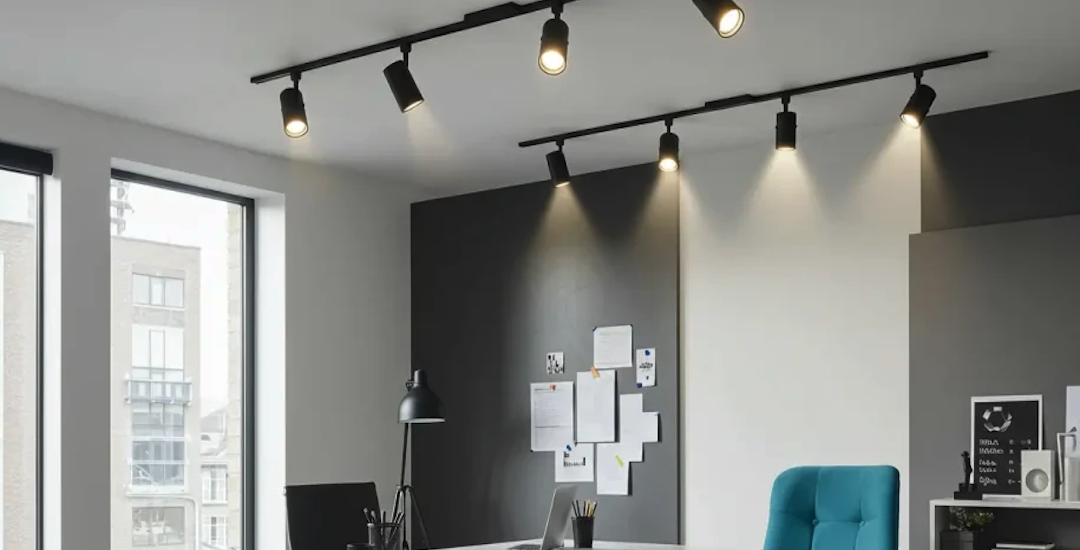
The fundamental appeal of track lighting is its adaptability. The physical track allows you to position and reposition light fixtures. Need to highlight a new piece of art? Move the track head. Redecorating and the focal point shifts? Easily adjust the lighting without new wiring. This inherent flexibility means you can evolve your space’s illumination as your needs and tastes change.
No More Jarring Overhead Lights
Traditional overhead lighting often floods a room with a uniform, sometimes harsh, light. Track lighting, on the other hand, allows for targeted illumination. You can direct light precisely where you need it, creating pools of light for reading, task lighting for a kitchen counter, or accent lighting for decorative elements. This avoids the uncomfortable “glare” or “flatness” that can come with a single, central light source.
Modern Aesthetics
While purely functional, track lighting also often boasts a clean, modern design. The slim profiles of the tracks and the often minimalist fixtures can complement a wide range of interior styles, particularly contemporary, industrial, and minimalist aesthetics. It can look intentional and stylish, not just utilitarian.
What Actually Makes it “Smart”?
The “smart” aspect is where the real power of enhancement comes in. It’s all about connectivity and control.
Wireless Connectivity
At its core, smart track lighting relies on wireless communication. Most commonly, this is through Wi-Fi or Bluetooth. This allows the individual light fixtures, and the track system itself (if it has a central hub or controller), to communicate with your smartphone, tablet, or smart home hub. No more crawling behind furniture to flip a switch; control is at your fingertips.
App Control
The primary interface for smart track lighting is usually a dedicated mobile app. These apps are designed to be intuitive, allowing you to:
- Turn lights on/off: Simple, but revolutionary when you can do it from your couch.
- Adjust brightness (dimming): Crucial for setting ambiance, from bright task lighting to a soft glow.
- Change color temperature: Transition from cool, energizing daylight to warm, cozy evening light.
- Control individual fixtures: Select and adjust each light head on the track independently.
- Group fixtures: Create zones or entire rooms to control multiple lights at once.
Voice Control Integration
This is where it gets really convenient. Most smart track lighting systems integrate with popular voice assistants like Amazon Alexa, Google Assistant, and sometimes Apple HomeKit. This means you can literally say, “Hey Google, dim the living room track lights to 30%,” or “Alexa, turn on the artwork accent light,” without lifting a finger. It adds a layer of effortless interaction.
Automation and Scheduling
This is where smart track lighting truly shines for enhancing your space’s functionality and even security.
- Schedules: Set lights to turn on at sunset, dim for movie nights, or gradually brighten your bedroom in the morning to mimic the sunrise.
- Automation: Link lighting to other smart home devices. For example, your entryway light could turn on automatically when your smart lock detects you’re arriving home. Or, your dining room lights could dim to a specific setting when your smart TV turns on to watch a movie.
- Geofencing: Some systems can use your phone’s location to turn lights on or off as you enter or leave a defined area.
The Art of Scene Control: Beyond Just On and Off
Scene control is where smart track lighting transforms from a functional lighting system into a powerful tool for crafting specific atmospheres. Instead of just adjusting individual lights, you’re creating pre-programmed “scenes” that activate a complex lighting arrangement with a single command.
What Exactly is a “Scene”?
Think of a scene as a snapshot of your ideal lighting for a particular activity or mood. It’s a saved configuration of brightness, color temperature, and sometimes even color for all the lights on your track (or specific groups of them) that you can recall instantly.
Examples of Powerful Scenes
- “Morning Wake-Up”: Gradually increasing brightness from a very low level to a brighter, cool white, mimicking a gentle sunrise. This can be programmed to happen precisely when you want to get up.
- “Dinner Party”: A warm, inviting glow at a medium brightness, perhaps with a slightly more focused beam on the table for good visibility, while keeping the general room illumination soft.
- “Movie Night”: Very dim, warm lighting, possibly with specific accent lights dimmed down to avoid glare on the screen, creating a cozy cinematic experience.
- “Reading Nook”: Focused, bright, cool light directly on the reading area, ensuring no eye strain, while the rest of the room remains dim for a relaxing ambiance.
- “Entertain”: A more vibrant scene, perhaps with some color accents if you have RGB lights, to create an energetic and welcoming atmosphere for guests.
- “Security Sweep”: Lights positioned to illuminate entry points and pathways, giving the impression that someone is home, even when you’re away.
Setting Up Your Scenes
The process typically involves using the smart lighting app. You’ll manually adjust each light to your desired setting for the scene, then save that configuration.
The Simple Steps
- Manual Adjustment: First, go through each light on your track and set its brightness, color temperature, or color (if applicable) exactly how you envision it for your desired scene.
- Saving the Scene: Within the app, there will be a function to save the current lighting configuration as a new scene. You’ll usually be prompted to name it (e.g., “Relaxing Evening,” “Focus Work”).
- Activation: Once saved, you can activate this scene with a single tap in the app, via a voice command, or as part of an automated schedule.
Customization is Key
The beauty of scene control is its highly personal nature. What feels “relaxing” to one person might be too dim for another. You have full control to fine-tune these settings to match your preferences and the specific needs of your space.
Enhancing Specific Areas with Smart Track Lighting
The versatility of track lighting, amplified by its smart capabilities, makes it ideal for transforming various zones within your home. You’re not just lighting a room; you’re lighting activities within it.
Kitchen: Task and Ambiance
The kitchen is a prime example of where different lighting needs collide. You need bright, clear task lighting for food preparation and cooking, but you also want a more relaxed ambiance for casual meals or when entertaining.
Task Lighting Excellence
- Over the Countertops: Position track lights directly above your work surfaces. Use brighter, cooler light settings to ensure visibility for chopping, measuring, and cooking. This avoids shadows cast by your own body, a common problem with overhead pendants.
- Over the Sink: Ensure this area is well-lit for cleaning and prep work.
- Illuminating Cabinet Interiors: Some smart track systems might allow for smaller fixtures or specific types of heads that can be angled to cast light into open shelving or glass-fronted cabinets.
Creating Atmosphere
- “Dinner Prep” Scene: Brighter, focused light over prep areas.
- “Family Dinner” Scene: A warmer, slightly dimmed setting over the dining table area, creating a more intimate feel.
- “Late Night Snack” Scene: A very low, warm, and gentle light to avoid disturbing others or being too harsh on your eyes.
Living Room: Versatile Ambiance
The living room is often the multi-purpose heart of the home. From movie watching and reading to hosting guests, your lighting needs will vary wildly. Smart track lighting excels here.
Accent Lighting for Features
- Artwork and Decor: Use adjustable track heads to precisely highlight paintings, sculptures, or decorative shelves. You can adjust the beam angle and intensity to make these pieces pop.
- Architectural Features: If you have interesting walls, textured surfaces, or built-in shelves, you can use track lighting to wash them with light, adding depth and visual interest.
Functional Zones within the Room
- Reading Corner: Direct a focused beam of light onto your favorite armchair and side table for comfortable reading.
- Conversation Areas: Create softer, more diffuse lighting around seating areas to encourage relaxation and conversation.
- General Illumination: Use wider-spread track heads or dim them down for ambient lighting that fills the space without being overpowering.
Scene Ideas for the Living Room
- “Movie Time”: All lights dimmed to about 10-15%, with a very warm temperature.
- “Social Gathering”: Medium brightness, warm white, with accent lights on artwork at a slightly higher setting.
- “Relaxation”: Low brightness, very warm, with perhaps a couple of lights dimmed to near darkness as accent.
Home Office: Focus and Well-being
A well-lit home office is crucial for productivity and reducing eye strain. Smart track lighting offers precise control.
Minimizing Glare and Eye Strain
- Indirect Lighting: Position track lights so they don’t directly shine into your eyes or onto your screen. Aim them towards walls or ceilings for a softer, diffused light.
- Adjustable Brightness and Color: A scene that provides bright, cool, daylight-like illumination for focused work can be easily switched to a warmer, dimmer setting for breaks or when winding down the workday.
Highlighting Work Areas
- Desk Lighting: Ensure your desk is adequately lit with a dedicated fixture or by adjusting a track head.
- Shelving and Storage: Use track lights to illuminate filing cabinets or shelves of reference materials, making them easy to find.
Productive Scenes
- “Deep Work” Scene: Bright, cool, direct light on your workspace.
- “Break Time” Scene: Dimmer, warmer light, perhaps with a hint of color if desired.
- “End of Day”: Gradually transition to a warmer, dimmer light to signal the end of work and help your brain wind down.
Integrating with Your Smart Home Ecosystem
If you’re already investing in a smart home, seamlessly integrating your track lighting is essential for a truly cohesive experience. This is where the magic of interconnectedness happens, unlocking even more advanced functionality.
Compatibility is Key
Before purchasing, check which smart home platforms your chosen track lighting system is compatible with. The most common are:
- Amazon Alexa: Widely adopted, offering voice control and integration with other Alexa-enabled devices.
- Google Assistant: Similar to Alexa, providing voice commands and routines.
- Apple HomeKit: For those within the Apple ecosystem, offering secure integration and control via the Home app and Siri.
- Samsung SmartThings: A robust platform that can often bridge various brands and protocols.
- Other Proprietary Hubs: Some systems might rely on their own hub which can then sometimes be integrated with larger ecosystems.
Voice Control: The Hands-Free Revolution
As mentioned, voice control is a major benefit. Being able to adjust your lighting without reaching for your phone or a physical switch is incredibly convenient, especially when your hands are full or you’re already comfortable.
Examples of Voice Commands:
- “Alexa, set the living room track to ‘Movie Night’.”
- “Hey Google, turn up the kitchen lights to 75%.”
- “Siri, dim the artwork accent to 20%.”
Creating Routines and Automations
This is where the real power of smart home integration comes to bear. Using routines within your smart home app (like Alexa Routines or Google Home Routines), you can trigger complex lighting sequences with a single command, time, or event.
Triggering Lighting with Other Devices:
- “Good Morning” Routine: Suppose you have a smart alarm. You can set it so that when your alarm goes off, your bedroom track lights gradually turn on to a bright, cool white, and perhaps your kitchen lights turn on to a moderate setting.
- “Leaving Home” Routine: This could turn off all lights (except perhaps a designated security light) and arm your security system.
- “Welcome Home” Routine: As you unlock your smart lock, your entryway track lights could turn on to a welcoming, medium-bright warmth.
Time-Based Automations:
- Sunset Lighting: Automatically turn on specific track lights to a warm setting as the sun sets.
- “Sleep” Scenario: At a designated time, all lights in the house could dim and turn off, except for a soft nightlight.
“Bridging” Different Systems
Sometimes, the smart track lighting might use a different protocol (like Zigbee or Z-Wave) than your primary smart home hub. In these cases, you’ll need a compatible bridge or hub. For instance, Philips Hue bridge works with their Hue lights, and then this bridge connects to Alexa or Google Assistant. Many manufacturers offer these bridging solutions to ensure their products can play nicely with others. Prior research into compatibility will save a lot of headaches down the line.
Choosing the Right Smart Track Lighting System
With various brands and options available, selecting the right smart track lighting can feel a bit overwhelming. Focusing on a few key features will help you narrow down the choices and ensure you get a system that meets your needs.
Understanding the Track Types
The physical track itself is just as important as the lights.
Monopoint vs. Multipoint Tracks
- Monopoint: This is a single point of power connection on the ceiling. You can then run a track of a certain length from that point. It’s good for focused areas.
- Multipoint: This allows for more complex track layouts, including curves, bends, and longer runs, often with multiple power connections for more flexibility and power distribution. The type of track system will dictate where you can install it and how extensively you can customize the layout.
Power Rating and Length
Ensure the track system you choose can handle the number of lights you plan to install and the total wattage they will consume. Longer tracks will often require more robust power solutions.
Fixture Options: More Than Just Bulbs
The “heads” or fixtures that attach to the track are where much of the visual and functional customization happens.
Beam Angle and Spread
- Narrow Beam: Ideal for accent lighting, precisely spotlighting artwork or architectural details.
- Wide Beam: Better for general illumination or washing a wall with light.
- Adjustable Beam: Some fixtures allow you to change the beam angle, offering even more flexibility.
Color Rendering Index (CRI)
For critical applications like art display or color-accurate tasks, look for fixtures with a high CRI (90+). This indicates how accurately the light source reveals the true colors of objects.
RGB vs. Tunable White
- Tunable White: Allows you to adjust the color temperature from warm (2700K) to cool (6500K). This is excellent for mimicking natural light cycles and creating different moods.
- RGB (Red, Green, Blue): In addition to tunable white, RGB lights can produce millions of different colors. This is great for accent lighting, creating vibrant atmospheres, or even for dynamic effects.
Smart Features and App Quality
This is where the “smart” truly comes into play.
App Intuition and Reliability
Spend some time looking at app reviews if possible. Is the app easy to navigate? Does it crash frequently? Is it responsive? A clunky or unreliable app can quickly turn smart lighting into a frustrating experience.
Integration with Ecosystems
As discussed, ensure it works with your preferred voice assistant or smart home hub. Check if it supports Matter, a newer standard aiming to improve interoperability between smart home devices.
Advanced Features
Does the app offer robust scene creation? Can you easily set up schedules and automations? Are there any unique features like grouping controls or adaptive lighting?
Budget Considerations
Smart track lighting systems can vary significantly in price. Establish a budget early on. Remember to factor in the cost of the track, power supply, individual fixtures, and any required hubs or bridges. Sometimes opting for a system that uses standard smart bulbs within its fixtures can offer a more budget-friendly upgrade path.
By carefully considering these aspects, you can select a smart track lighting system that not only illuminates your space effectively but also enhances your daily life through intelligent scene control and seamless smart home integration.